I brought up universities because if not a company making shit,
I see how It's easy to walk away with that impression if we only look at the final construction phase. Universities are not building rockets.
However, without universities, the entire space industry would grind to a halt. Companies like Space X need people who have spent 4 to 8 years at a university learning advanced calculus, orbital mechanics, material science etc.
Universities are also constantly testing the fringe concepts that private companies aren't willing to gamble on yet. Advanced propulsion , astrobiology, research into exotic materials research all excel at universities.
They may not "make shit", but they are at the front of cutting edge research.
where else is the gov gonna spend its money?
CERN and JPL were two examples I gave. There are plenty of other options.
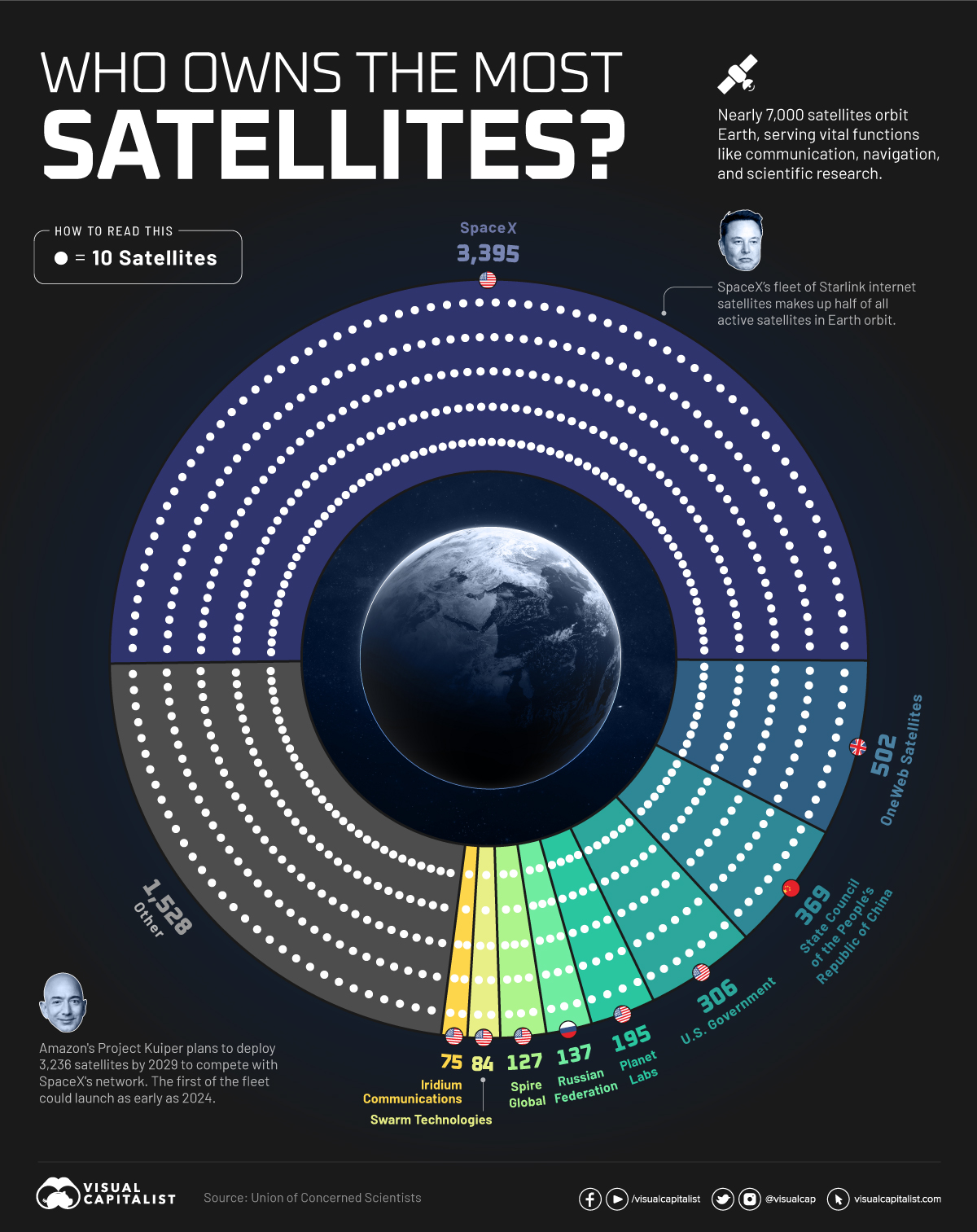
And the company that MAKES THE ROCKETS already does all this stuff. So instead of theory, we get actual practical design. Catching rockets! SpaceX got there because their risk profile is WAAAAAAAYYYY different than academia or government.
What is the argument here? Do you think governments should spend less on science? Maybe my point was clumsy, and if so I apologise because we probably actually agree.
An ideal future is governments spending more on science, but working with private companies like Space X.
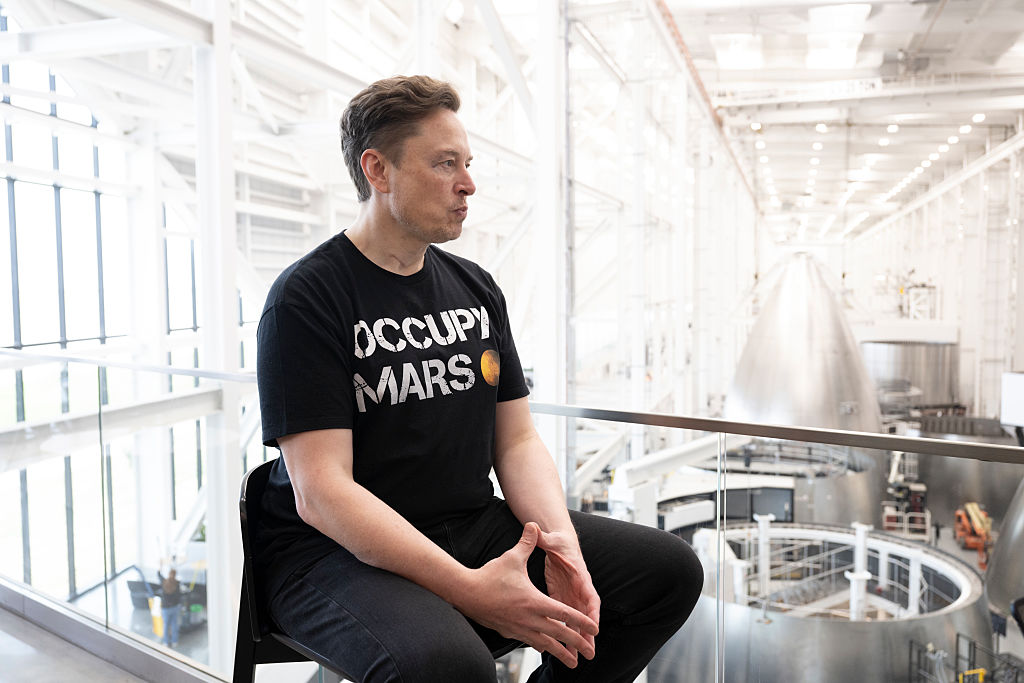
Elon delivered results on a scale, and at a cost, that makes a mockery of almost every government program. We should be thanking the stars every day that he paved the ay for us in this fashion
This part I agree with. SpaceX fundamentally redefined the cost of getting to space, and they did it by moving faster than a government bureaucracy ever could.
, versus NASA taking 5 years to put a single probe into space.
This part I completely disagree with. The reason NASA can take five to ten years to put a single scientific probe into space isn't just bureaucracy (though there's plenty of that). It's that both are vastly different.
Space X can build 50 versions, crash 10 of them, and perfect the design because they are operating in Low Earth Orbit. If a Starlink satellite or Falcon booster fails, they just build another one. Simples.
When NASA spends a decade building a probe like the JWST or a Mars Rover, it is because this is a one of a kind piece of custom engineering. It has to survive years of deep space radiation or land on a specific patch of a planet millions of miles away.
There is no room for error because they get one shot and one shot only. If JWST failed, they couldn't knock up another one in a few weeks.
If you gave SpaceX $10 billion to build a deep space telescope they would likely face similar timelines because you simply cannot mass produce or that kind of specialised tech.