• Hey Guest. Check out your NeoGAF Wrapped 2025 results here!

Digital Foundry: Death Stranding 2 PC Review + Optimised Settings - Sony's Last Big PC Single-Player Game?

adamsapple

Or is it just one of Phil's balls in my throat?


Could this be the last time that a Sony triple-A single-player game arrives on PC? Or maybe the independent nature of Kojima Productions means that its titles at least will continue to be ported? These questions lurk in the background as we take a look at the PC version of Death Stranding 2, examine its performance and deliver our verdict on the most optimal settings. This review is late, but perhaps it is more timely in the sense that the problems the game launched with have been addressed.

00:00 Introduction
00:37 Performance On Lower-End Kit
01:57 Sponsored by Arknight: Endfields
03:45 General Scalability in Death Stranding 2
04:36 PICO Upscaling Impressed
06:45 8GB GPUs Need Texture Quality Compromises
07:30 PC Exclusive Ray Tracing
08:46 Rasterised Optimised Settings
12:10 Optimised Settings Summary
14:14 And Now, The Conclusion
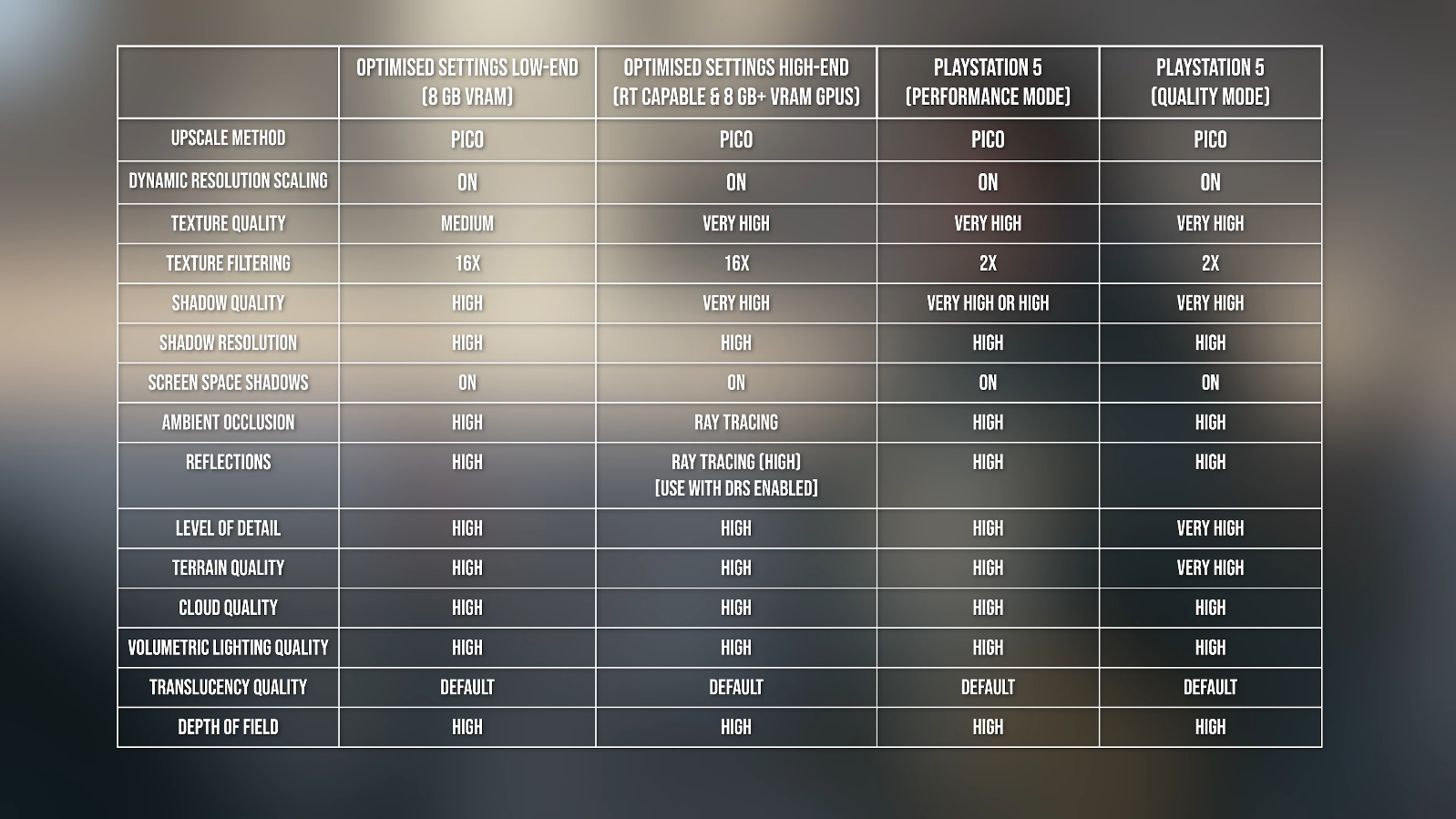
 
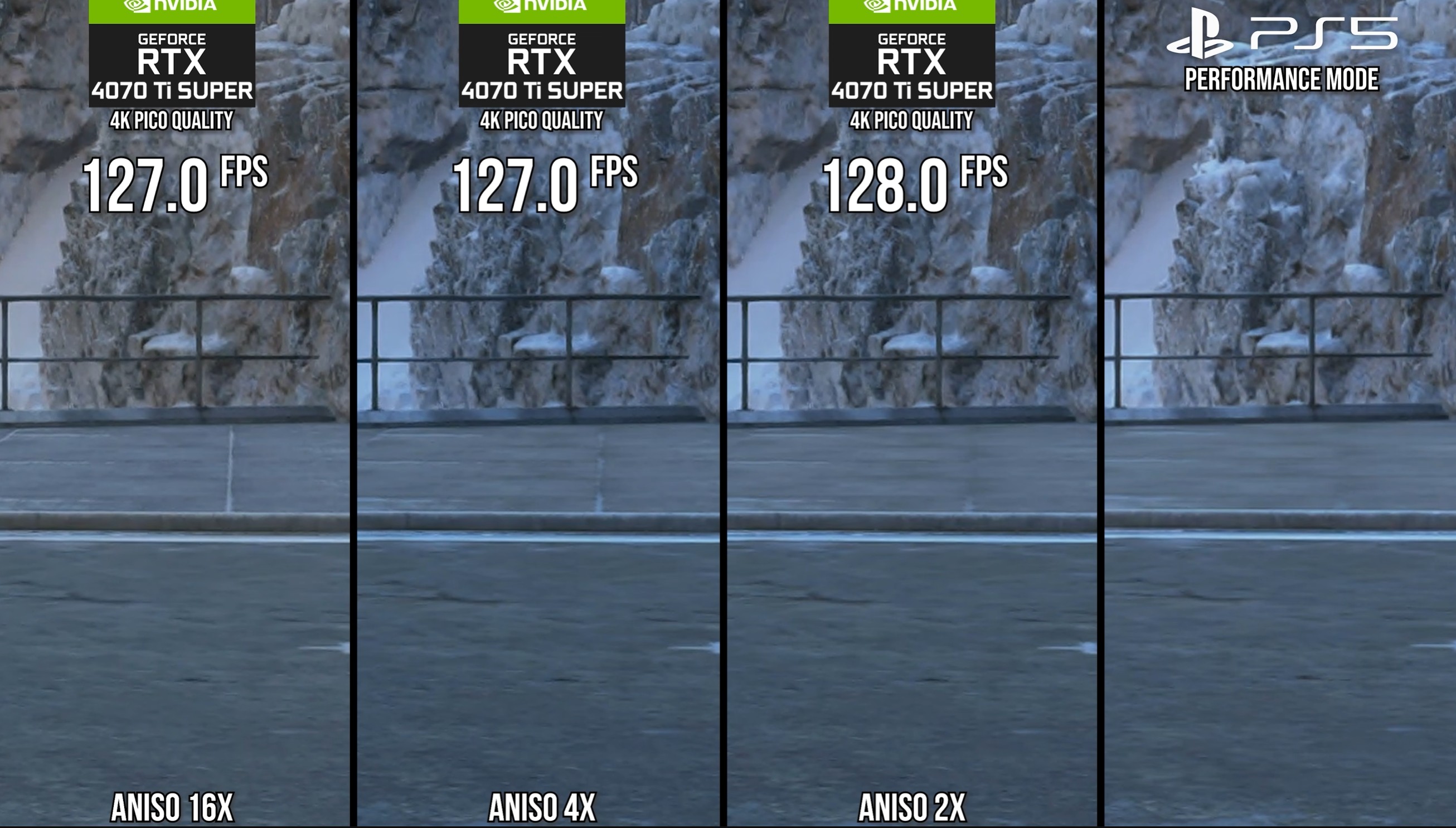
3EwkkOae8mLOJ0Ig.png
 
I wish there was a mod or an official LOD expansion. It's worse than the first game, half the world looks like mud.
 
And this is probably the standard for most games. I have x16 forced in the driver since ~2010. What the fuck console devs are smoking?
I've always wondered why this setting was at 2X on consoles, 4X at best while on PC 16X anisotropic is meaningless performance wise.
 
I've always wondered why this setting was at 2X on consoles, 4X at best while on PC 16X anisotropic is meaningless performance wise.
Same, always been curious about this too. I wish someone could shine a little light on this one, because I genuinely don't get it.
 
Bandwidth limitation maybe
Can't be. Come on, even low-tier trash GPUs have been able to have 16x for over a decade. I'm really not sure why they keep using such low texture filtering. 8x is okayish, but 2x and 4x are ugly.
 
I think it's just bullshit excuse at this point. They were saying the same thing on ~170GB/s PS4 and ~448GB/s PS5.

Can't be. Come on, even low-tier trash GPUs have been able to have 16x for over a decade. I'm really not sure why they keep using such low texture filtering. 8x is okayish, but 2x and 4x are ugly.
I'm sure they have a reason since almost every games as low AF on consoles
 
2X AF on console is what makes me sad

The console experience since forever basically

As soon as 16x AF was available on PC, and I even forget which one started this since it's been so long, was it Quake 3? Serious sam? Anyway, decades ago, I never looked back at anything other than 16x.
 
Isn't AF supposed to be like very cheap on resources?
Cheap on GPU processing power (less than 1-2% hit on framerate), not so cheap on memory bandwidth which consoles already have to share with the CPU.

2x on consoles is very low. Almost every game uses 4x. If kojipro is using 2x that means they definitely ran into a bottleneck somewhere. Likely memory bandwidth.
 
And this is probably the standard for most games. I have x16 forced in the driver since ~2010. What the fuck console devs are smoking?
This. Been forcing it since I owned a Riva TNT2 GPU and when I was playing CoD 1 back then, there was zero FPS impact. Never had an issue with 16x apart from maybe one game that bugged out with weird shadows.

Never thought this would STILL be a thing in current gen. PS4 had often no AF at all because devs missed a check box and they later patched it.

Mind boggling.
 
Cheap on GPU processing power (less than 1-2% hit on framerate), not so cheap on memory bandwidth which consoles already have to share with the CPU.

2x on consoles is very low. Almost every game uses 4x. If kojipro is using 2x that means they definitely ran into a bottleneck somewhere. Likely memory bandwidth.

I was using x16 on GPU with 38.4 GB/s memory BW (8800GS), I don't buy this excuse.
 
AF hits memory bandwidth and TMUs, as it samples textures more times.
Consoles are limited in memory bandwidth and caches. So AF can be more taxing than on PC.
Devs have to choose where to spend the resources that consoles have and AF4X is the sweetspot between performance and image quality.
Another reason is that RDNA1 has a less advanced delta color compression than nvidia GPUs of the era, so a console like the PS5 will use memory bandwidth less efficiently.
 
AF hits memory bandwidth and TMUs, as it samples textures more times.
Consoles are limited in memory bandwidth and caches. So AF can be more taxing than on PC.
Devs have to choose where to spend the resources that consoles have and AF4X is the sweetspot between performance and image quality.
Another reason is that RDNA1 has a less advanced delta color compression than nvidia GPUs of the era, so a console like the PS5 will use memory bandwidth less efficiently.
Thx u for the insight!
 
AF hits memory bandwidth and TMUs, as it samples textures more times.
Consoles are limited in memory bandwidth and caches. So AF can be more taxing than on PC.
Devs have to choose where to spend the resources that consoles have and AF4X is the sweetspot between performance and image quality.
Another reason is that RDNA1 has a less advanced delta color compression than nvidia GPUs of the era, so a console like the PS5 will use memory bandwidth less efficiently.

It's miles beyond GCN on PS4 and they still use shit values on AF.

As I said, they don't give a shit - they have very low priority for AF.

Look how heavy AF is in this game...


MinFoONhSwrHaZPn.jpg


0.78%
 
Last edited:
It's miles beyond GCN on PS4 and they still use shit values on AF.

As I said, they don't give a shit - they have very low priority for AF.

With each new generation, textures become more complex and with higher resolution. Also game resolution increases with each generation. AF is a per-fragment operation, so if there are more fragments to operate, meaning more pixels, then it has to do more sampling.
Higher screen resolution also mean higher quality MipMaps are loaded.
Another thing to consider is that modern games have more individual textures. This means more textures need to be sampled. So there is more load on the TMUs and memory bandwidth.
Finally, the RT units on PS5 and Series S/X are on the TMUs. So if a game tries to do AF and RT at the same time, it can have contention problems.
 
With each new generation, textures become more complex and with higher resolution. Also game resolution increases with each generation. AF is a per-fragment operation, so if there are more fragments to operate, meaning more pixels, then it has to do more sampling.
Higher screen resolution also mean higher quality MipMaps are loaded.
Another thing to consider is that modern games have more individual textures. This means more textures need to be sampled. So there is more load on the TMUs and memory bandwidth.
Finally, the RT units on PS5 and Series S/X are on the TMUs. So if a game tries to do AF and RT at the same time, it can have contention problems.

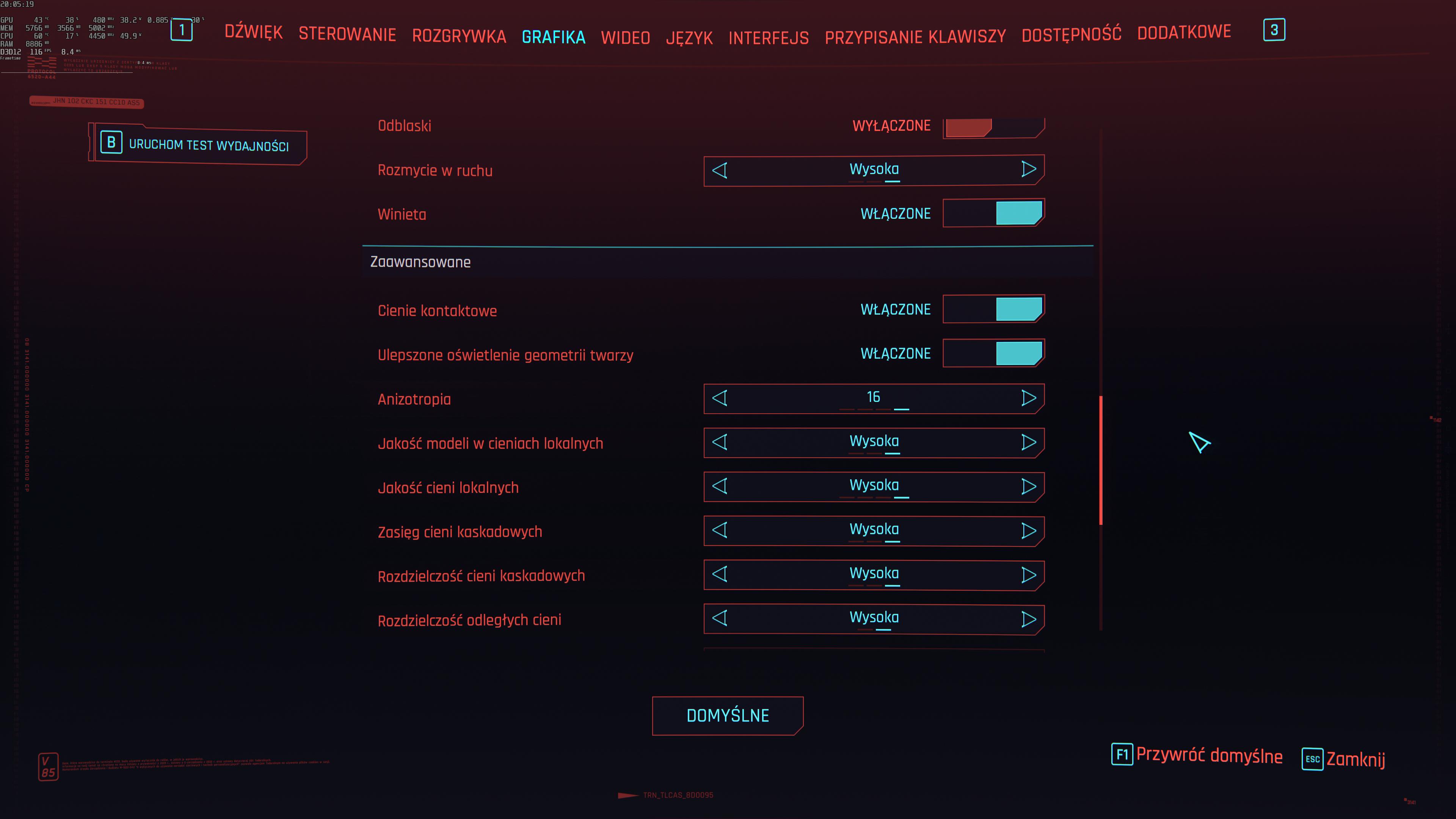
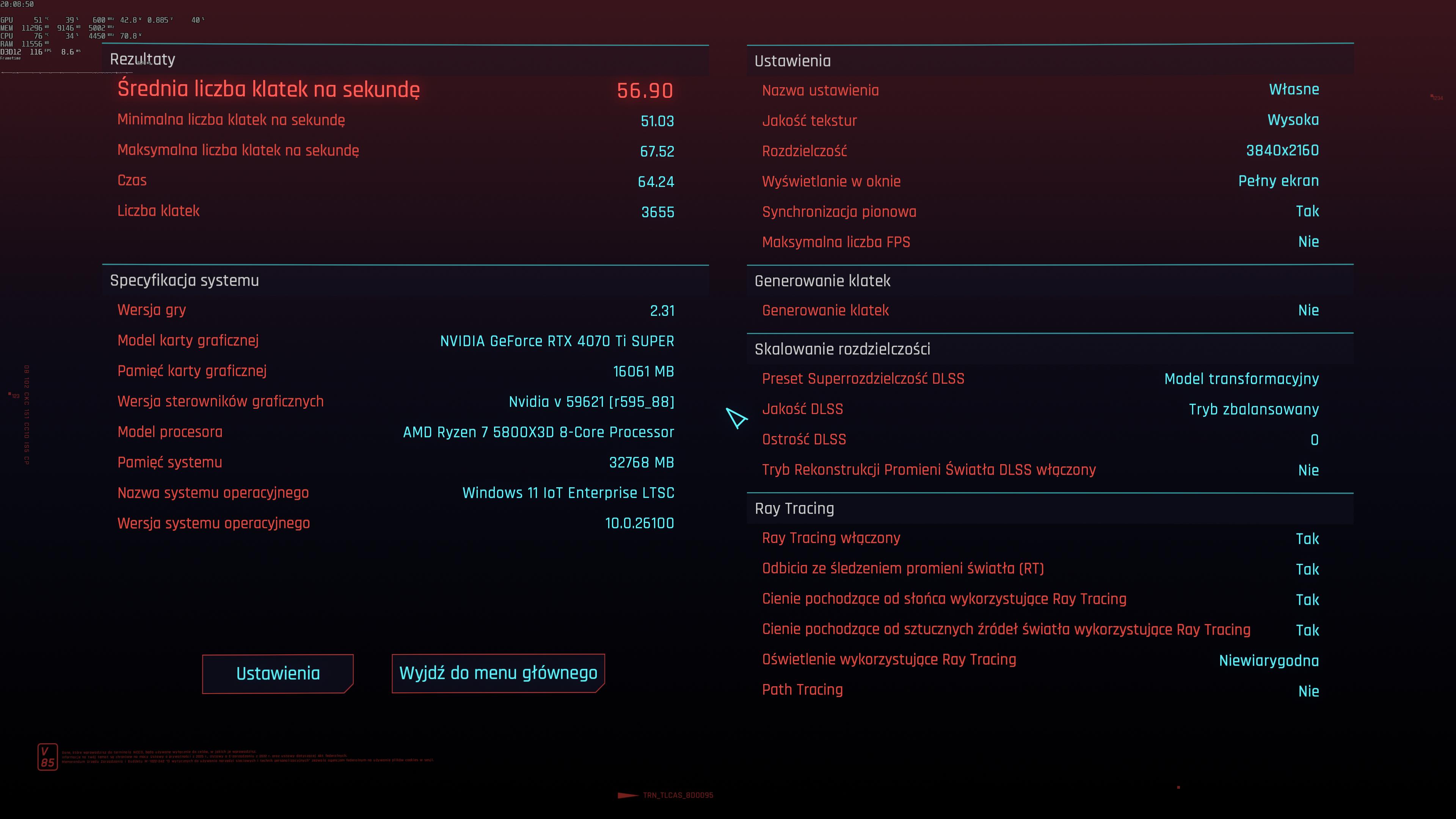
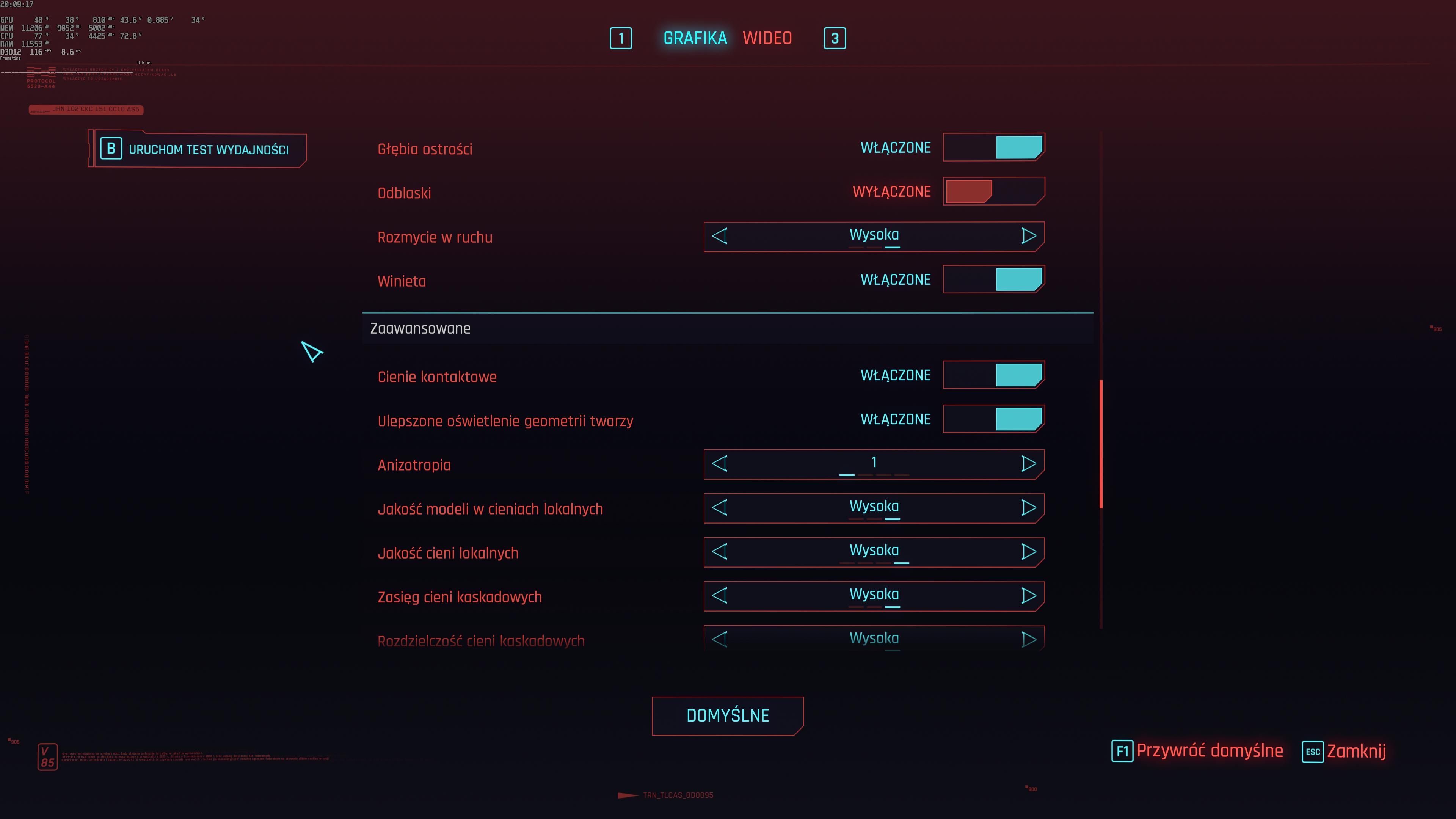
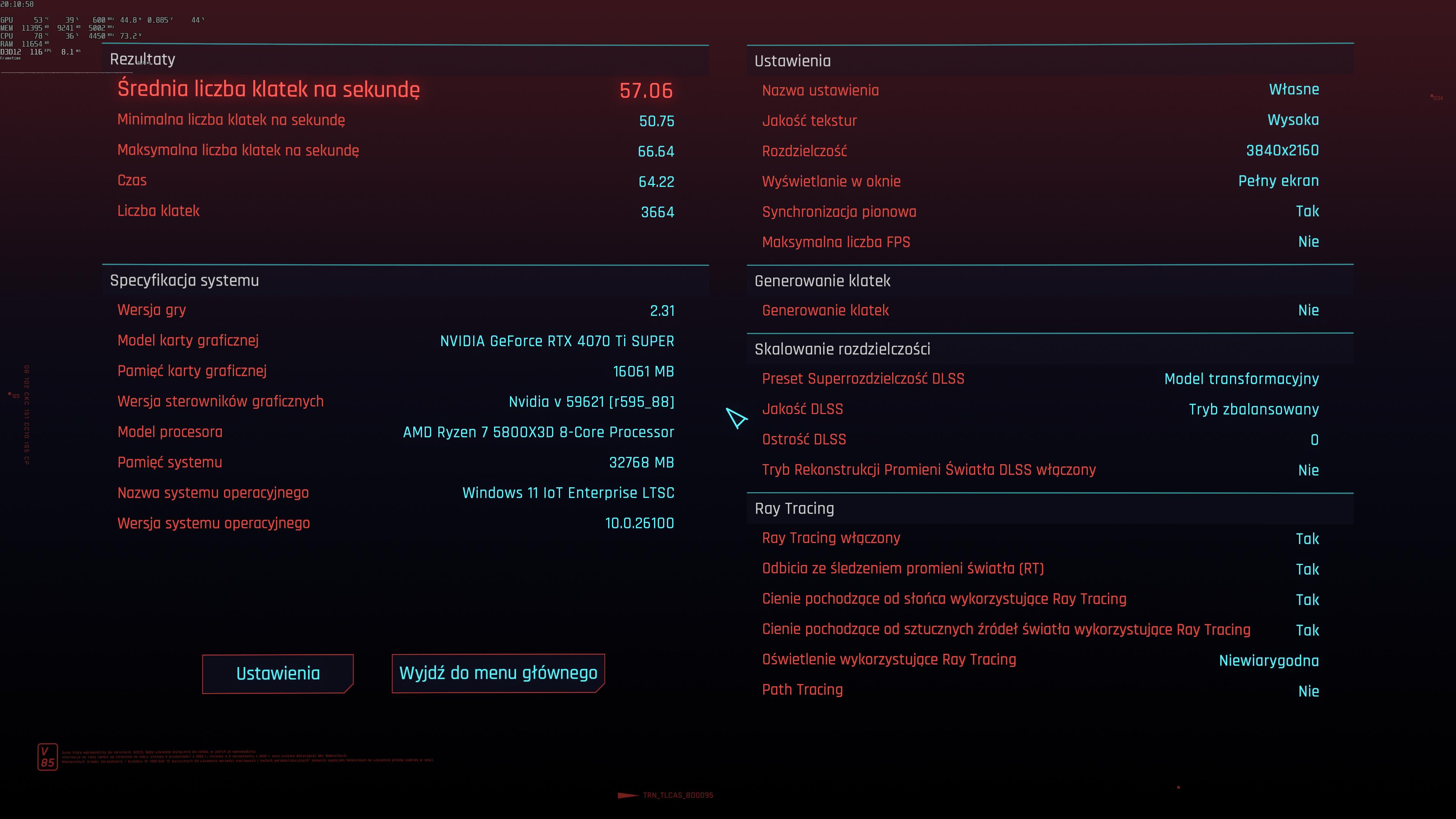
I get all this theory, but in the end performance difference is super small. This is AFx1 vs. AFx16 with RT psycho

fbGYT9QI5sUlGDCf.jpeg
ThKJUw5GLT7lgyzw.jpeg

dC44q7EQSkPNTaab.jpeg
cLnNmOW6e3dAi7jl.jpeg


56.90 vs. 57.06FPS

What are we talking about?

giphy.gif
 
Last edited:
I think devs are just retarded. They simply don't care, most console users won't notice it anyway (and they are right).

simply don't care is probably the reason, basically most if not all just go with the default "on" setting. The fact that Sony can't even bother to for 16X AF for PS5 BC or even PS5 pro running none patched games a feature that has been on Xbox One X BC is baffling. Someone need to DF to ask when is 16X AF going to be a standard they next time they interview Cerny.

IRC, I read that console CPU and GPU share the same bandwidth unlike PC with system and vram split is one of the technical reason. But from PS4-PS5 and PS5-PS5pro, there would be enough extra bandwidth increase for a bare minimum forced 8x AF when running none patched games.
 
Last edited:
I get all this theory, but in the end performance difference is super small. This is AFx1 vs. AFx16 with RT psycho

fbGYT9QI5sUlGDCf.jpeg
ThKJUw5GLT7lgyzw.jpeg

dC44q7EQSkPNTaab.jpeg
cLnNmOW6e3dAi7jl.jpeg


56.90 vs. 57.06FPS

What are we talking about?

giphy.gif

But that is on a dedicated GPU. With more memory bandwidth for itself. Bigger caches. More advanced memory compression algorithms. And dedicated RT units that are not in the TMUs.
You don't have the limitations that a console has.
 
But that is on a dedicated GPU. With more memory bandwidth for itself. Bigger caches. More advanced memory compression algorithms. And dedicated RT units that are not in the TMUs.
You don't have the limitations that a console has.

AF was always this "heavy" on PC, in the realm of 1% performance difference (more or less).

Devs not giving the shit is probably the obvious answer, G Gitaroo is correct. There were some PS4 games last gen when developers forgot to turn on AF (at all), they didn't even notice this shit until DF pointed it out...
 
Last edited:
AF was always this "heavy" on PC, in the realm of 1% performance difference (more or less).

Devs not giving the shit is probably the obvious answer, G Gitaroo is correct. There were some PS4 games last gen when developers forgot to turn on AF (at all), they didn't even notice this shit until DF pointed it out...

AF only became free around the time of the Radeon 9700 (R300)
And consoles always had constrains with memory bandwidth and TMUs. Some more than others.
 
AF was always this "heavy" on PC, in the realm of 1% performance difference (more or less).

Devs not giving the shit is probably the obvious answer, G Gitaroo is correct. There were some PS4 games last gen when developers forgot to turn on AF (at all), they didn't even notice this shit until DF pointed it out...
winjer winjer is giving out good reason, why do you keep saying that Dev don't give a shit?
 
The PlayStation 5 isn't limited—it's just that 16× anisotropic filtering isn't always the best use of GPU resources, so developers dial it based on what matters most for their game.
That 1% can be the difference between 29fps and 30 fps not everyone as VRR capable display.
 
Last edited:
simply don't care is probably the reason, basically most if not all just go with the default "on" setting. The fact that Sony can't even bother to for 16X AF for PS5 BC or even PS5 pro running none patched games a feature that has been on Xbox One X BC is baffling. Someone need to DF to ask when is 16X AF going to be a standard they next time they interview Cerny.

IRC, I read that console CPU and GPU share the same bandwidth unlike PC with system and vram split is one of the technical reason. But from PS4-PS5 and PS5-PS5pro, there would be enough extra bandwidth increase for a bare minimum forced 8x AF when running none patched games.

anyone remember when Halo 5 got an Xbox One X patch?
without the patch it ran with 16x AF like all base Xbox One games on the X, but after the patch it was downgraded to a blurry mess again.

devs really just don't give a shit. sure the 4k upgrade was nice, but they just ignored the texture filtering 🙃
 
winjer winjer is giving out good reason, why do you keep saying that Dev don't give a shit?

"Of course, the performance hit incurred by texture filtering is often negligible on modern PCs. It taps into a graphics card's dedicated reserve of RAM, independent of CPU operations, meaning most games can go from blurry bilinear filtering to a sharp, 16x AF at the cost of between 1-2fps. But are the same limitations at play on a PC using a similar APU as console - forcing a machine to rely on a single pool of RAM? We considered this, coming to the conclusion that if the contention between resources was such an issue on console, we should be able replicate it on one of AMD's recent APUs, which are actually significantly less capable than their console counterparts.

playstation-4.320x180.jpg

Launch comparison tool
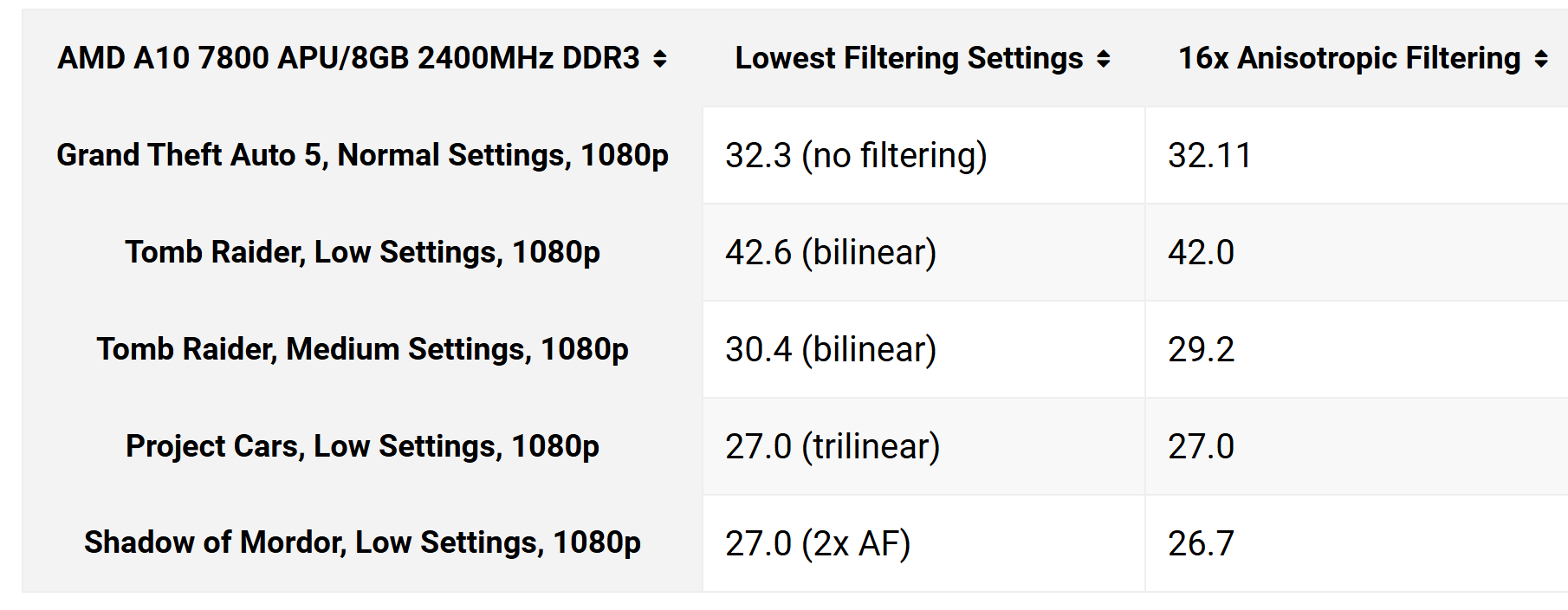
To put this to the test, we fire up a PC featuring AMD's A10-7800. With 8GB of DDR3 memory also attached (clocked in this case at 2400MHz). With no other graphics card installed, the CPU and graphics sides of this APU share the same memory bandwidth for intensive games - and the same onion and garlic buses should be vying for system resources. Worse still, if memory bandwidth is the bugbear as we expect - a tussle between these two halves - this machine's RAM should flag it more readily. Its DDR3 modules don't come close to the data throughput possible on console, where PS4 boasts a faster bus to GDDR5, while Xbox One circumvents its slow DDR3 with a separate 32MB cache of ESRAM memory embedded into the APU itself.

Presuming this is indeed the bottleneck, results in games should suffer as we switch texture filtering settings. However, the metrics don't bear this out at all. As you can see in our table below, frame-rates in Tomb Raider and Grand Theft Auto 5 don't drift by much more than 1fps either way, once we move from their lowest filtering settings to full 16x AF. Results are poor generally, even at 1080p with medium settings in each game - leaving us with around 30fps in each benchmark. But crucially, this number doesn't waver based on this variable.

AfOqyNiegYFrOV7V.png


Developer responded to that article


There is a lot of talk, but in the end they don't care much about AF, it's one of the last things they care about. And this was PS4 with 176GB/s, I bet things didn't change much this gen.
 
And this is probably the standard for most games. I have x16 forced in the driver since ~2010. What the fuck console devs are smoking?

Bandwidht problem
That's need to share the bandwidht with the RAM process, graphics process and other stuff. (shared memory)
On PC, only graphics stuff is used with proper bandwidth for the GPU. That's doesn't affect performance with AF x8 or x16.
 
Last edited:
winjer winjer is giving out good reason, why do you keep saying that Dev don't give a shit?

we know from behind the scenes info that they dont.

early PS4 games often didn't have AF, making parts of the image in Xbox One versions look sharper at a distance, even tho the resolution was lower.

back then speculation was that it was an API issue or some hardware issue... NOPE...
years later some from Digital Foundry asked devs why the PS4 versions didn't have AF turned on, and the answer, BY MULTIPLE TEAMS apparently, was that they literally didn't notice... AF off was simply the engine default settings they had for PS4, and AF on was the default on Xbox One... they just didn't change it.


a recent issue I personally unearthed, and talked about with a developer whose game this affected, is an issue with analog deadzones in recent iterations of Unreal Engine 5.

the PS5 default settings add a negative deadzone, the Xbox SX defaults do not. this lead to multiple recent shooters (Splitgate 2, Highguard) having broken analog aiming on PS5, but on Xbox and PC everything feels fine.

so we are not even on a cosmetic issue here, this is a gameplay issue that made precise aiming IN A SHOOTER using a linear reaction curve basically impossible.
I brought the issue up and made a short video demonstrating the issue to a dev of Splitgate 2, and he looked into it and confirmed it was a UE5 default setting for the PS5's controller api that was the culprit, hence why multiple recent PS5 versions of UE5 games had the issue.

it was of course never fixed in Highguard, as it went offline before anyone really cared to patch it.

so developers don't even notice that you can't aim properly in their COMPETITIVE SHOOTERS.
now imagine how many notice slightly blurry textures at an angle.
 
Last edited:
Bandwidht problem
That's need to share the bandwidht with the RAM process, graphics process and other stuff. (shared memory)
On PC, only graphics stuff is used with proper bandwidth for the GPU. That's doesn't affect performance with AF x8 or x16.

Check out that comparison above that uses APU with shared RAM pool.

we know from behind the scenes info that they dont.

early PS4 games often didn't have AF, making parts of the image in Xbox One versions look sharper at a distance, even tho the resolution was lower.

back then speculation was that it was an API issue or some hardware issue... NOPE...
years later some from Digital Foundry asked devs why the PS4 versions didn't have AF turned on, and the answer, BY MULTIPLE TEAMS apparently, was that they literally didn't notice... AF off was simply the engine default settings they had for PS4, and AF on was the default on Xbox One... they just didn't change it.


a recent issue I personally unearthed, and talked about with a developer whose game this affected, is an issue with analog deadzones in recent iterations of Unreal Engine 5.

the PS5 default settings add a negative deadzone, the Xbox SX defaults do not. this lead to multiple recent shooters (Splitgate 2, Highguard) having broken analog aiming on PS5, but on Xbox and PC everything feels fine.

so we are not even on a cosmetic issue here, this is a gameplay issue that made precise aiming IN A SHOOTER using a linear reaction curve basically impossible.
I brought the issue up and made a short video demonstrating the issue to a dev of Splitgate 2, and he looked into it and confirmed it was a UE5 default setting for the PS5's controller api that was the culprit, hence why multiple recent PS5 versions of UE5 games had the issue.

it was of course never fixed in Highguard, as it went offline before anyone really cared to patch it.

so developers don't even notice that you can't aim properly in their COMPETITIVE SHOOTERS.
now imagine how man notice slightly blurry textures at an angle.

Yeah, it's obvious they don't care, they don't notice far more obvious flaws in some games or lifted HDR black levels.

I remember that PS4 AF discussion very well.
 
Last edited:
Check out that comparison above that uses APU with shared RAM pool.

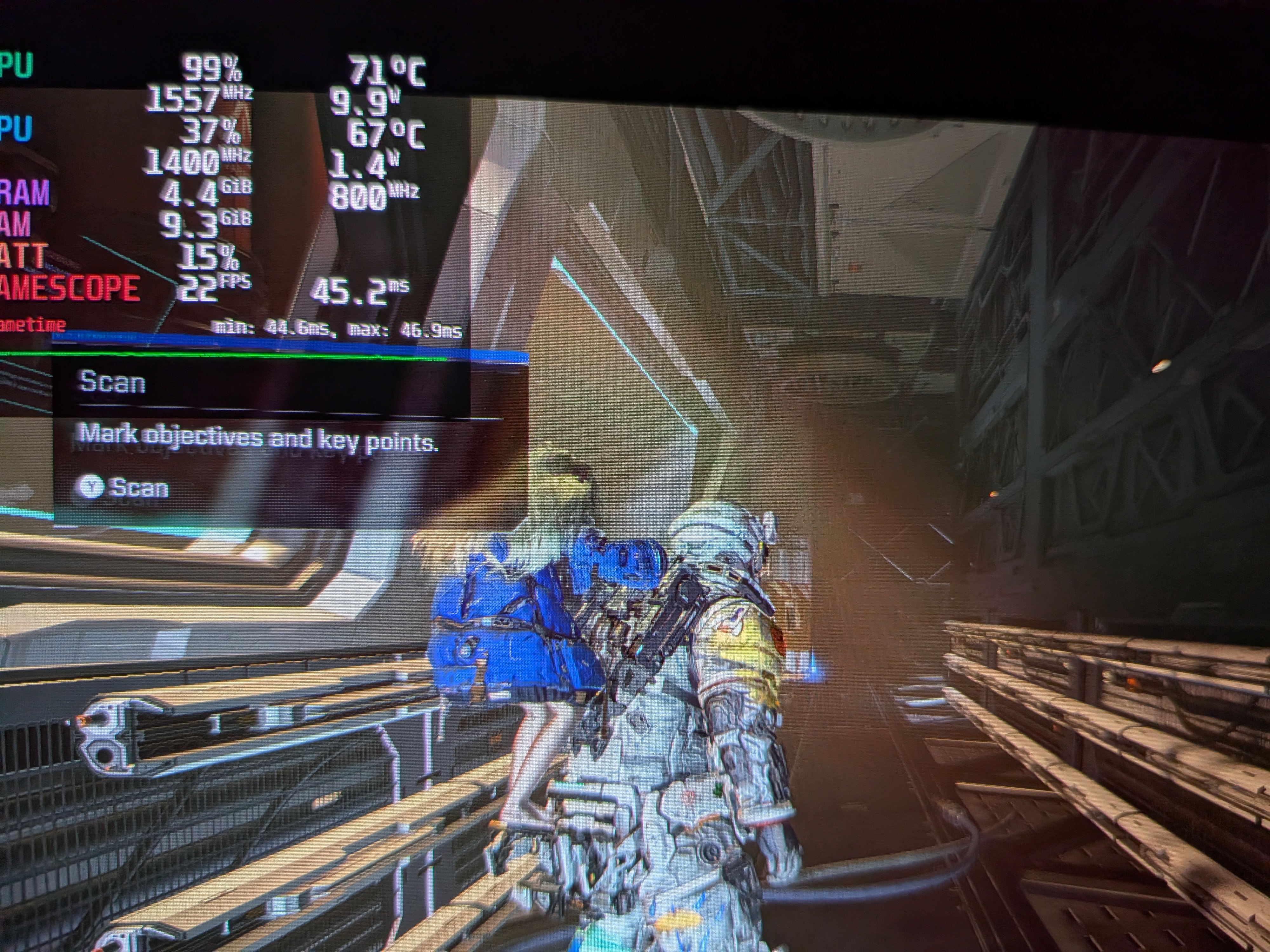
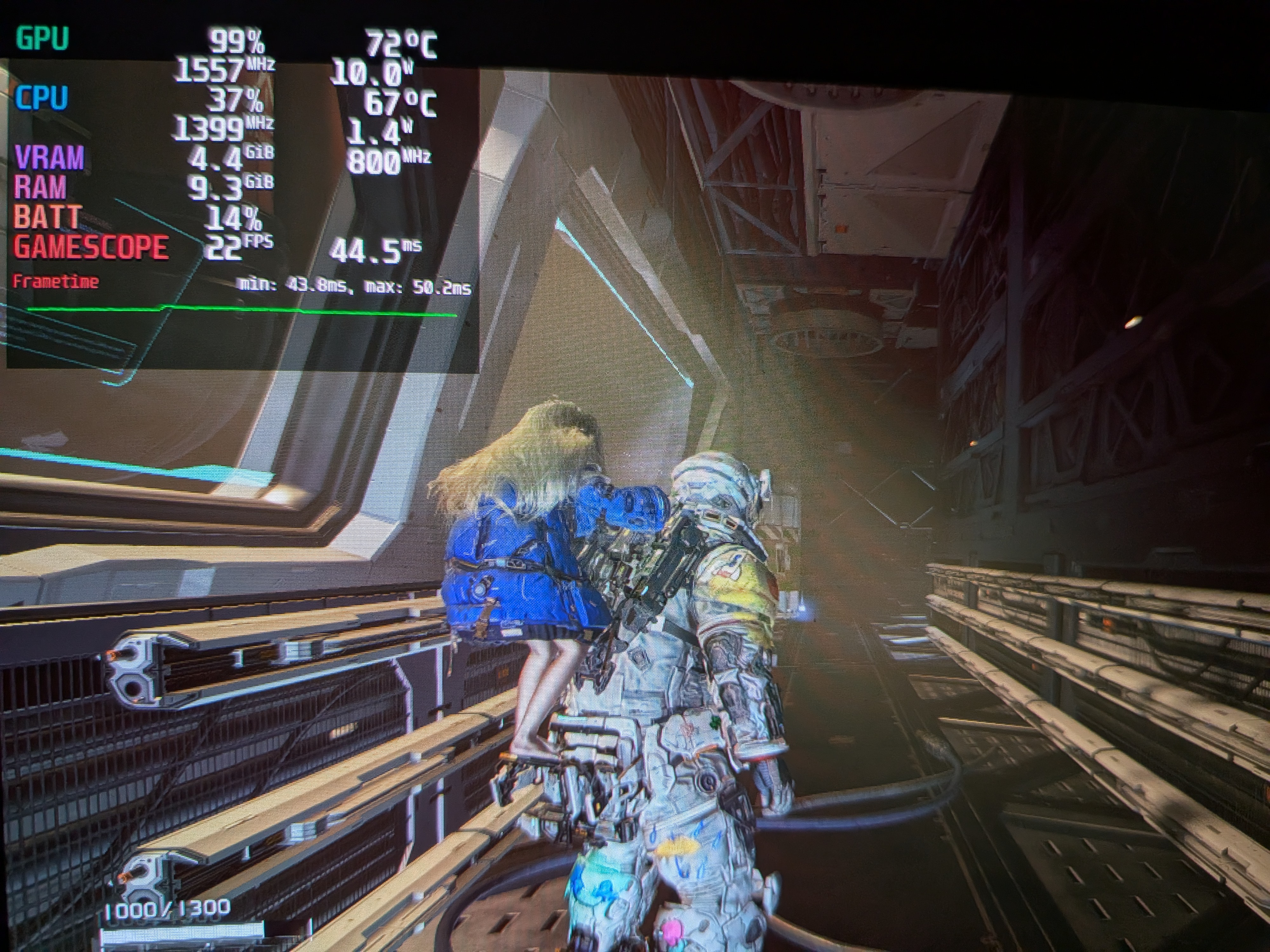
I just booted up the Pragmata PC demo on the Steam Deck, ran it at 1440p internal res (hence the low FPS lol) and tried trilinear filtering vs 16x AF

here's the results (photos because Steam OS screenshots don't include the performance overlay for some reason...)

16x AF
3SBX2VF53Akhq877.jpg


Trilinear
TpSkHWl2E8A52AYU.jpg


this is running on a low end APU, with slow shared memory, at 1440p internal res (1280x800p output set to 200% res scale in-game, no reconstruction used)... less than 0.7ms difference
 
Last edited:
I just booted up the Pragmata PC demo on the Steam Deck, ran it at 1440p internal res (hence the low FPS lol) and tried trilinear filtering vs 16x AF

here's the results (photos because Steam OS screenshots don't include the performance overlay for some reason...)

16x AF
3SBX2VF53Akhq877.jpg


Trilinear
TpSkHWl2E8A52AYU.jpg


this is running on a low end APU, with slow shared memory, at 1440p internal res (720p output set to 200% res scale in-game, no reconstruction used)... less than 0.7ms difference

This pretty much confirms what we thought.

Last time AF was expensive was on early 200x GPUs.
 
This pretty much confirms what we thought.

Last time AF was expensive was on early 200x GPUs.

yup. it might give you issues on a pre Xe Intel integrated graphics laptop that's 300€ or something. but not on any decently capable gaming orientated GPU.
 
It's miles beyond GCN on PS4 and they still use shit values on AF.

As I said, they don't give a shit - they have very low priority for AF.

Look how heavy AF is in this game...


MinFoONhSwrHaZPn.jpg


0.78%

Very interesting. Thanks for this example.

I just booted up the Pragmata PC demo on the Steam Deck, ran it at 1440p internal res (hence the low FPS lol) and tried trilinear filtering vs 16x AF

here's the results (photos because Steam OS screenshots don't include the performance overlay for some reason...)

16x AF
3SBX2VF53Akhq877.jpg


Trilinear
TpSkHWl2E8A52AYU.jpg


this is running on a low end APU, with slow shared memory, at 1440p internal res (1280x800p output set to 200% res scale in-game, no reconstruction used)... less than 0.7ms difference

This proves it. Console devs are stuck in the 2000s when it comes to AF.
 
yup. it might give you issues on a pre Xe Intel integrated graphics laptop that's 300€ or something. but not on any decently capable gaming orientated GPU.

Very interesting. Thanks for this example.


This proves it. Console devs are stuck in the 2000s when it comes to AF.

And this even applies to PC ports. Many games don't have AF settings, or they are baked in "texture quality" combined with other settings.

Some games don't have any AF at all... You won't have it until you force it in the driver.
 
Top Bottom