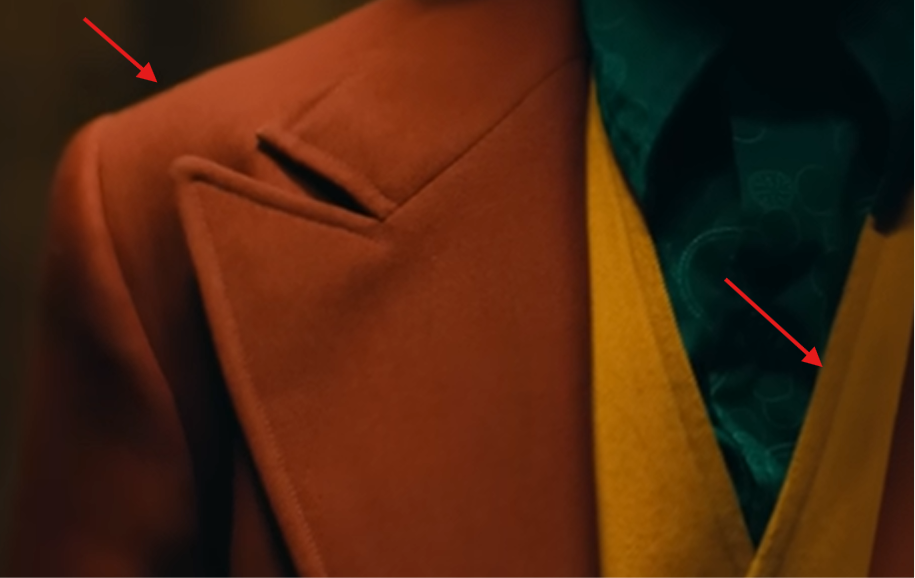
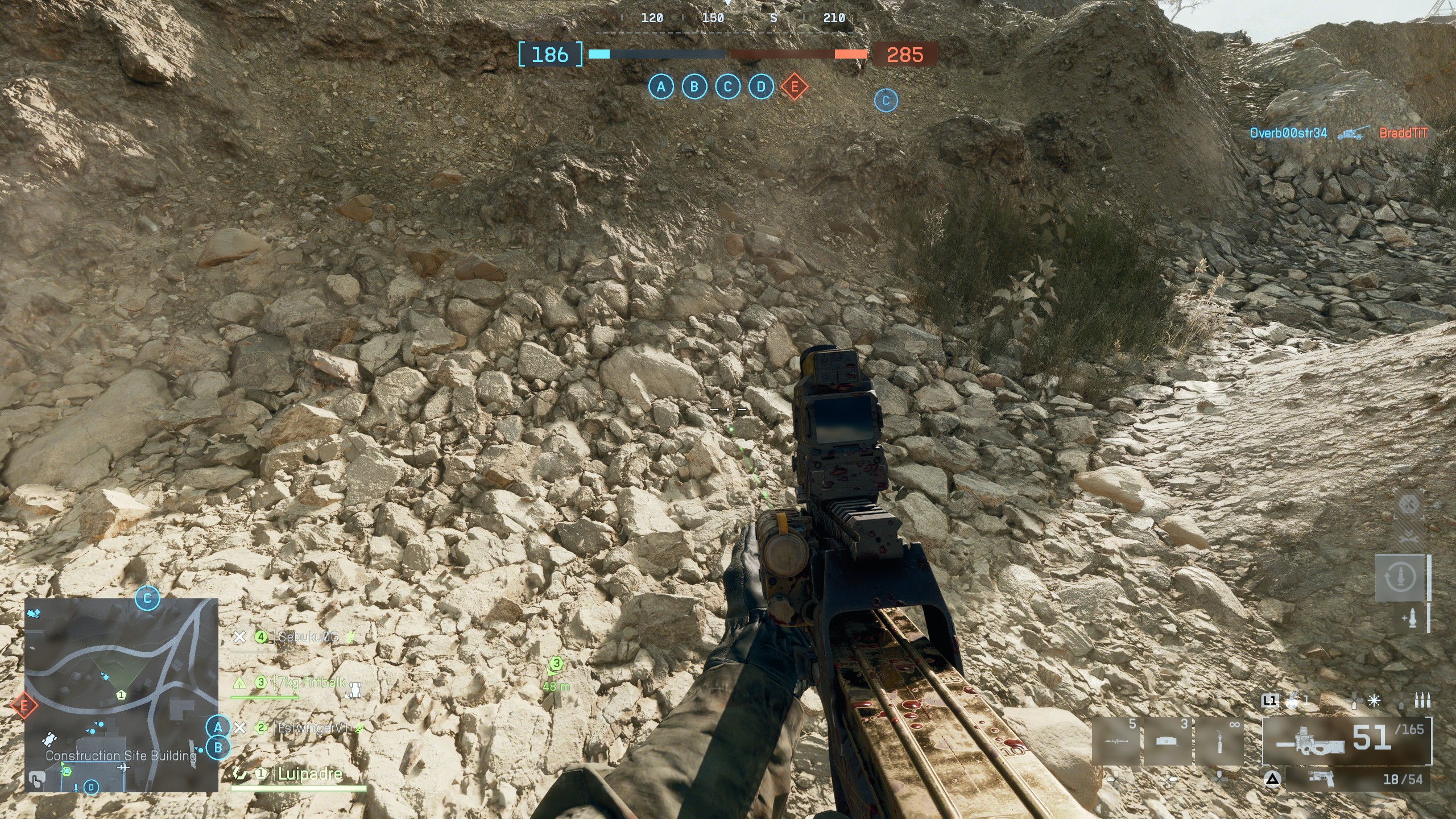
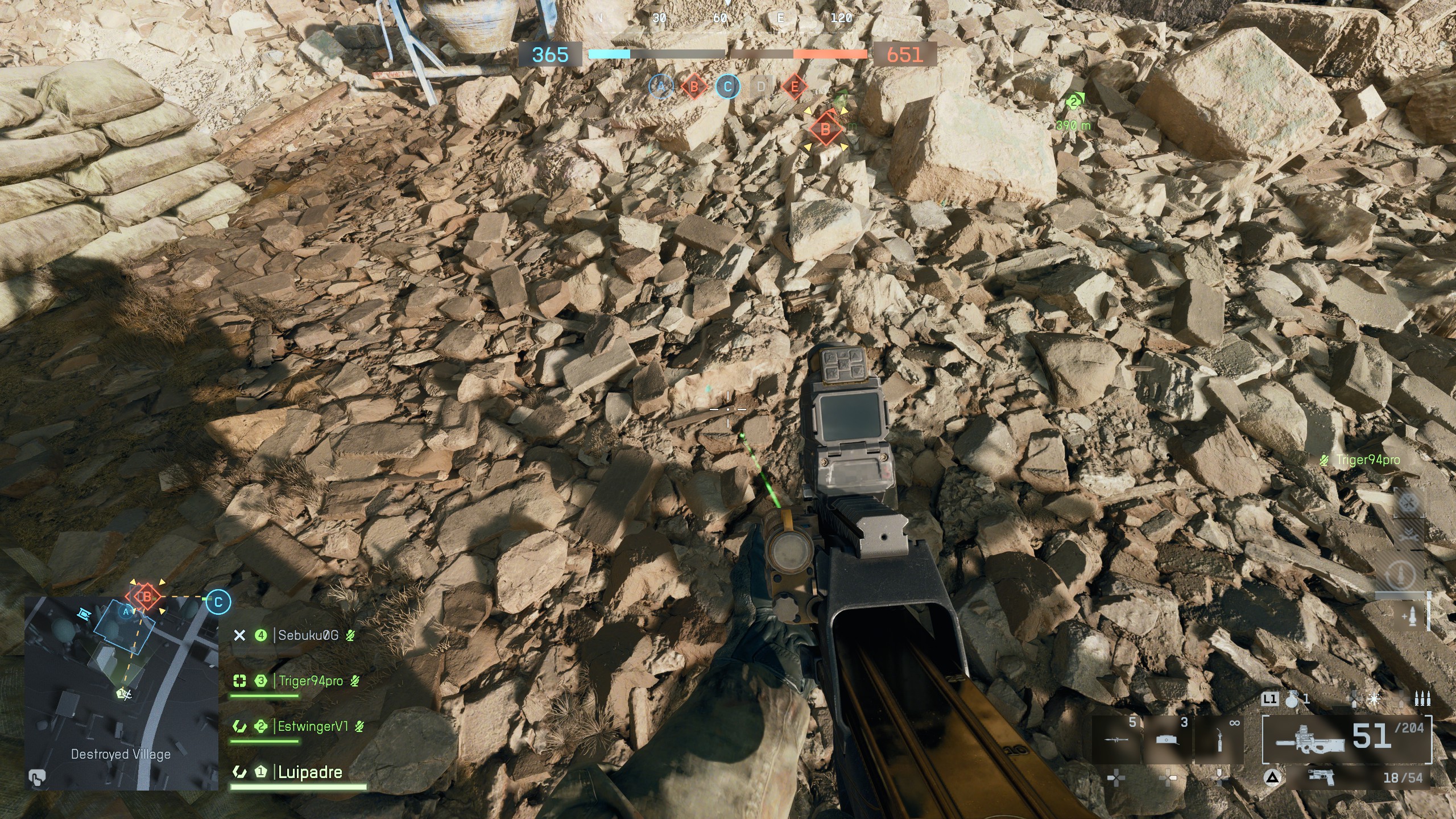
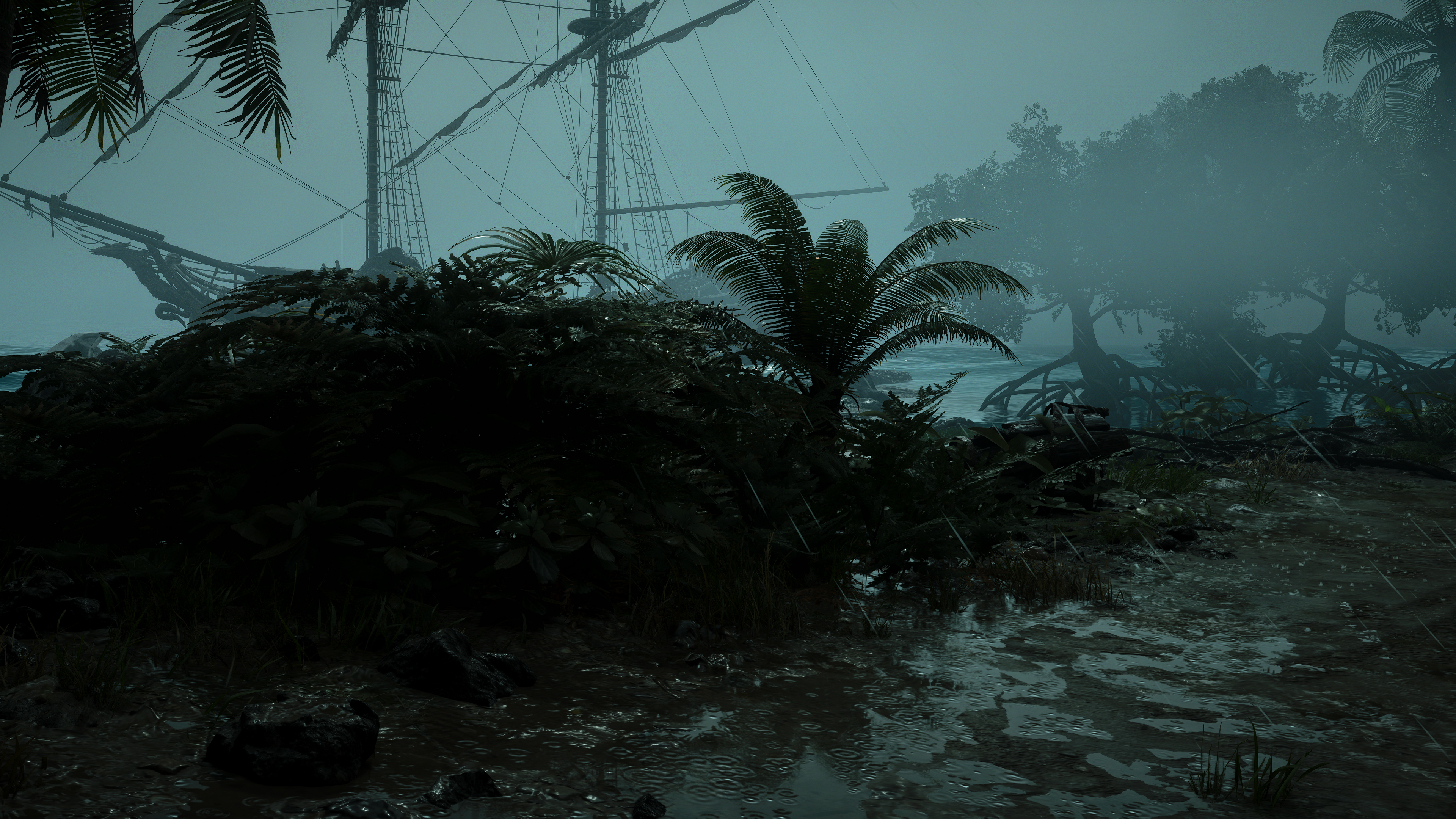
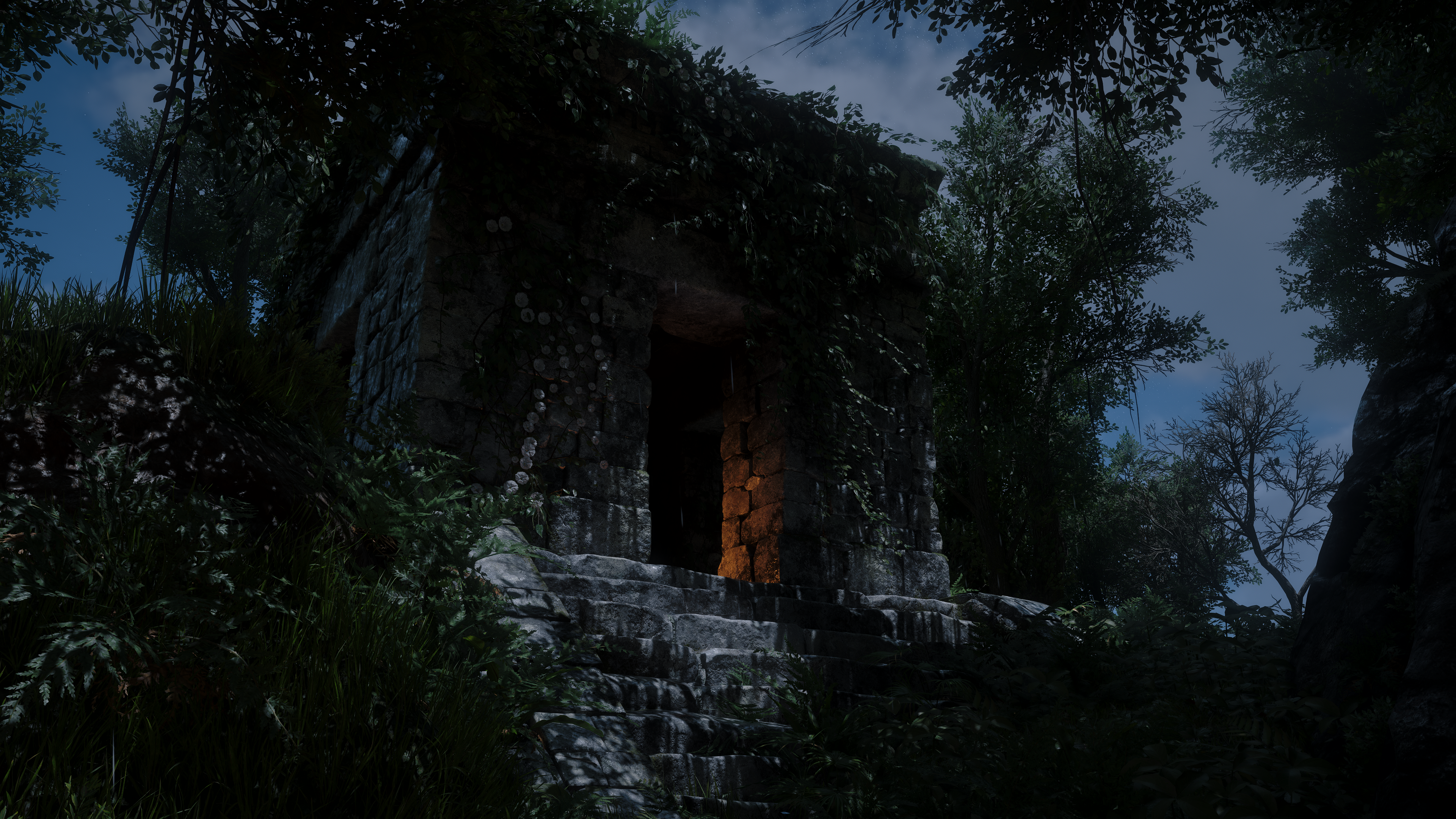
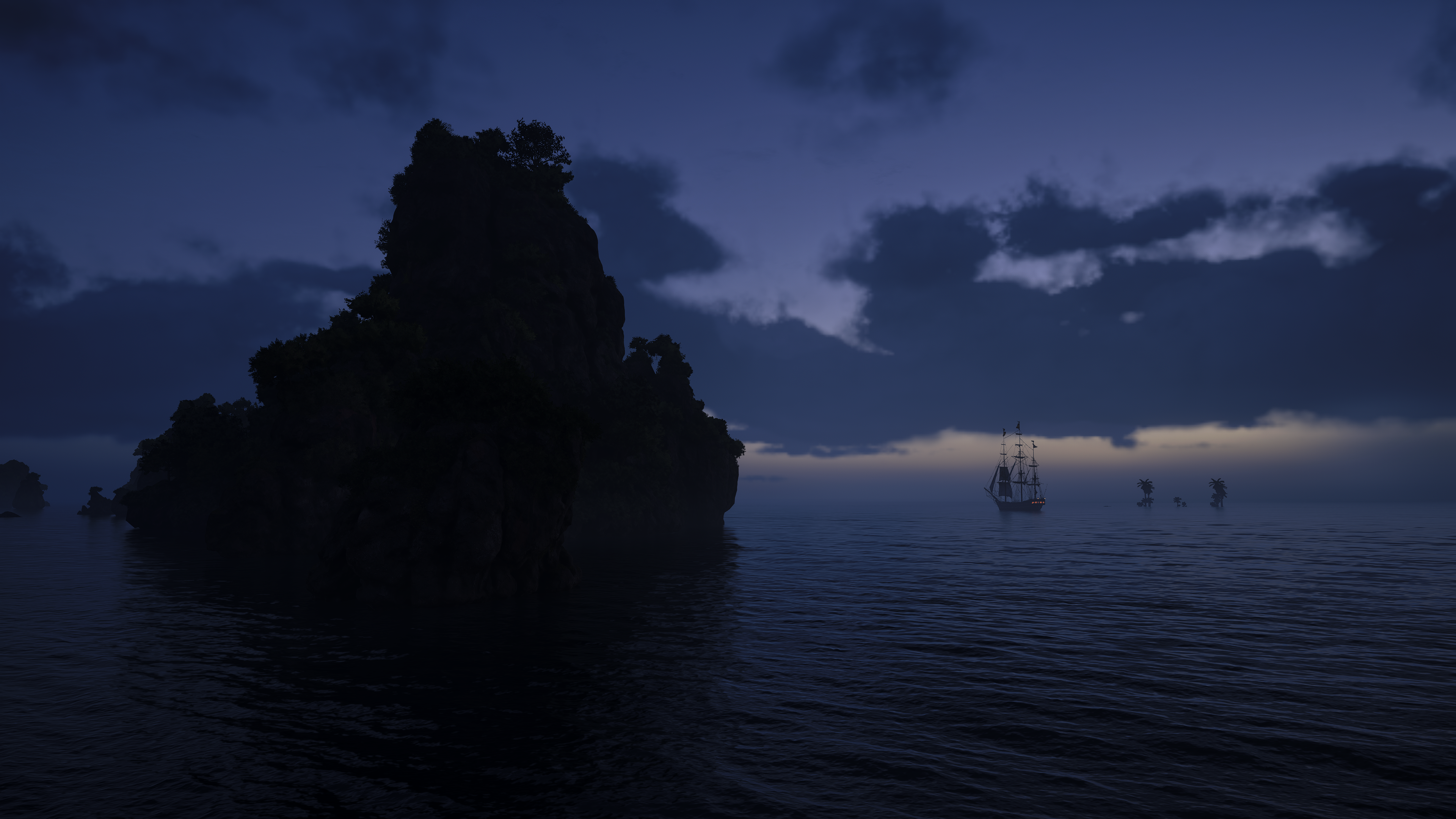
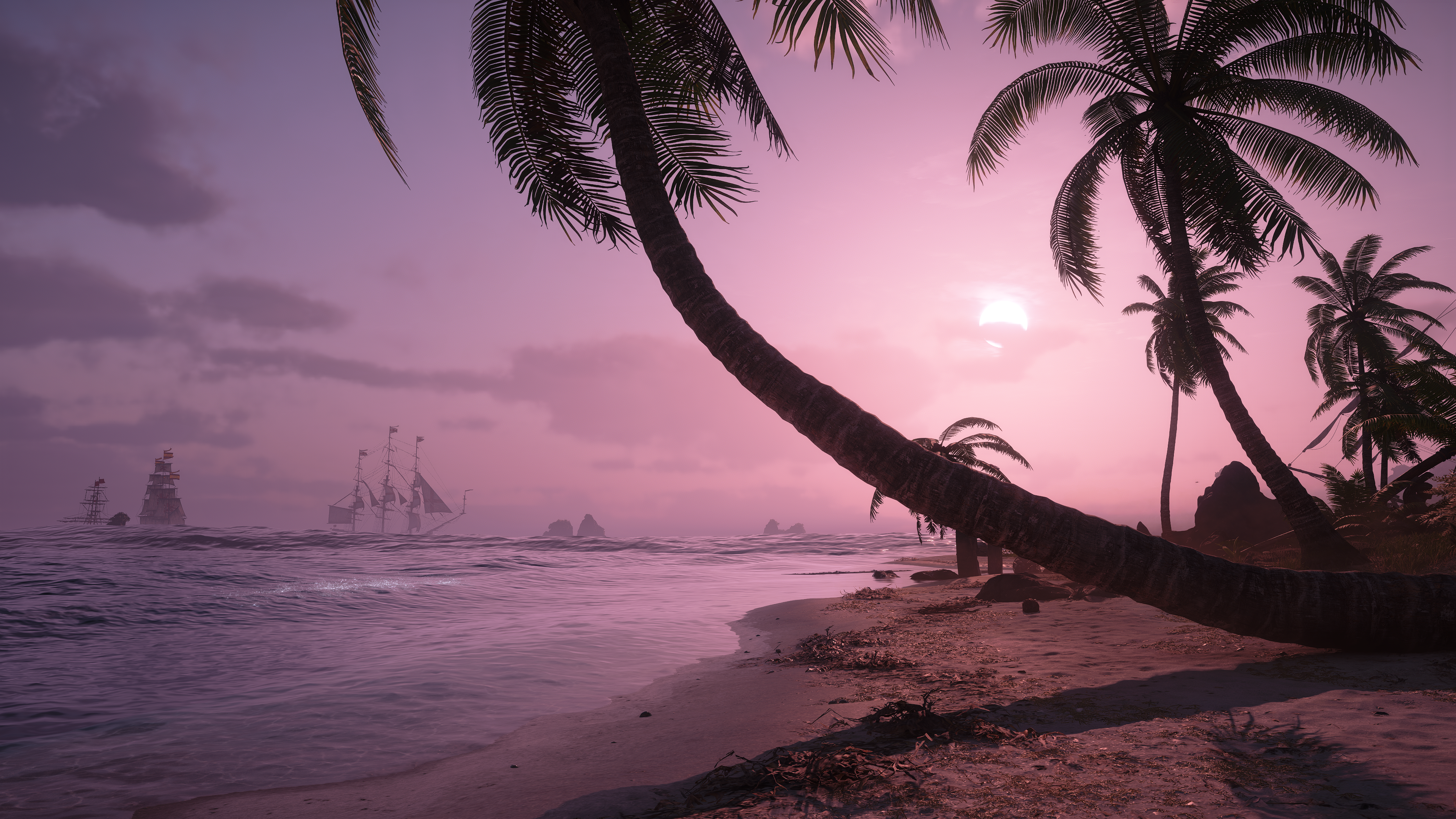
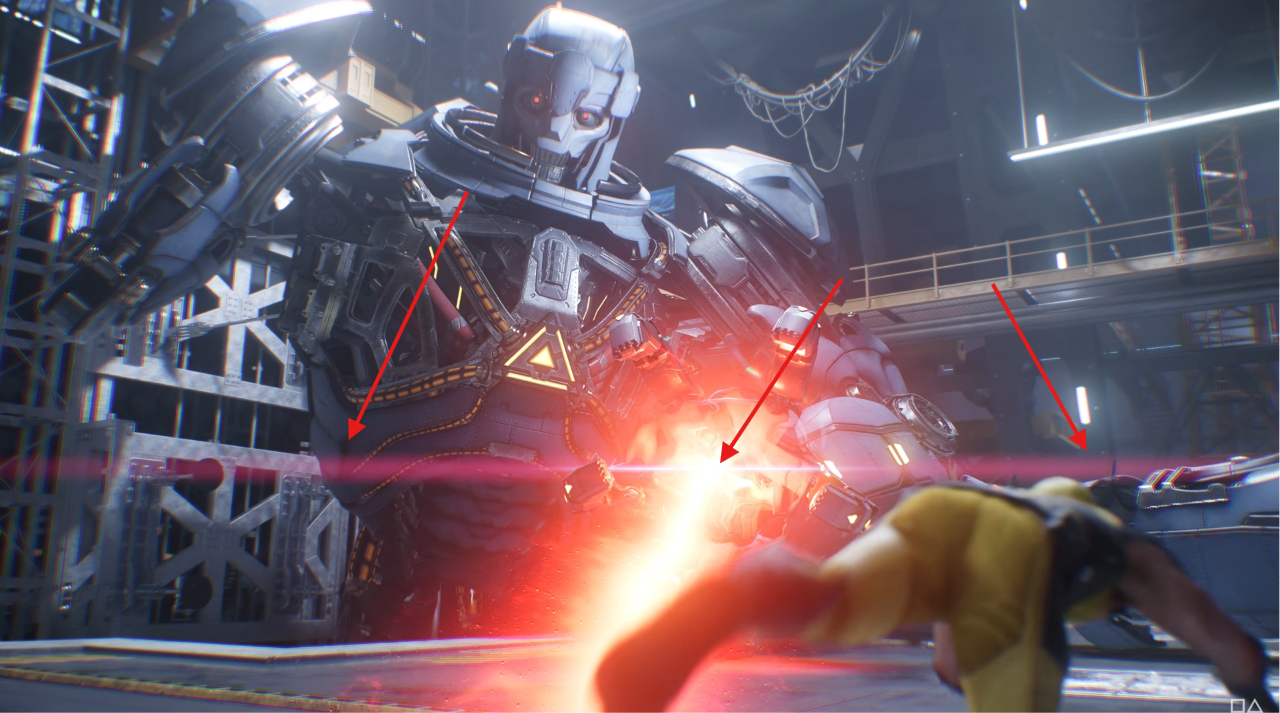
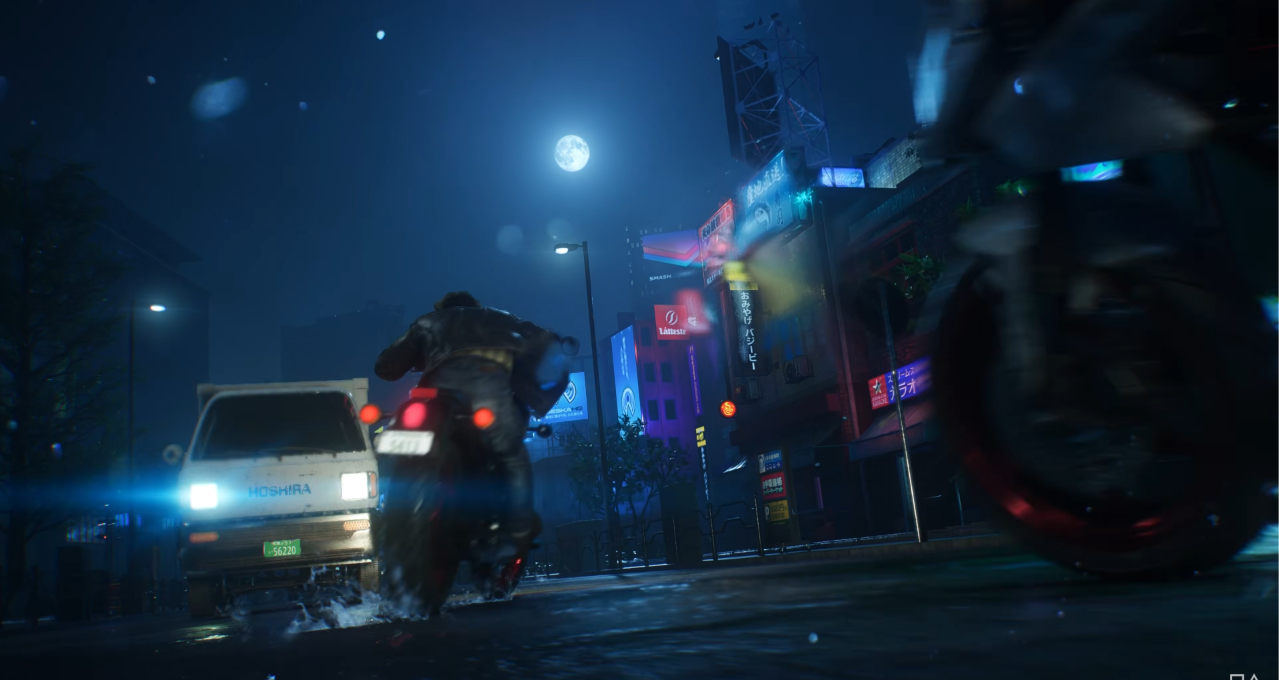
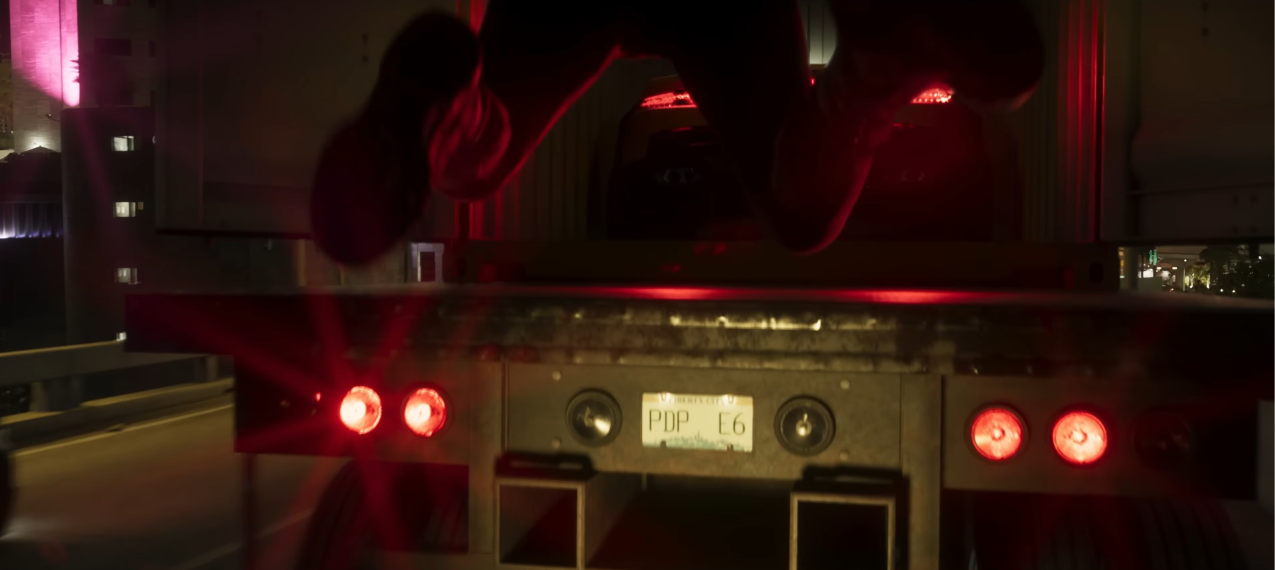
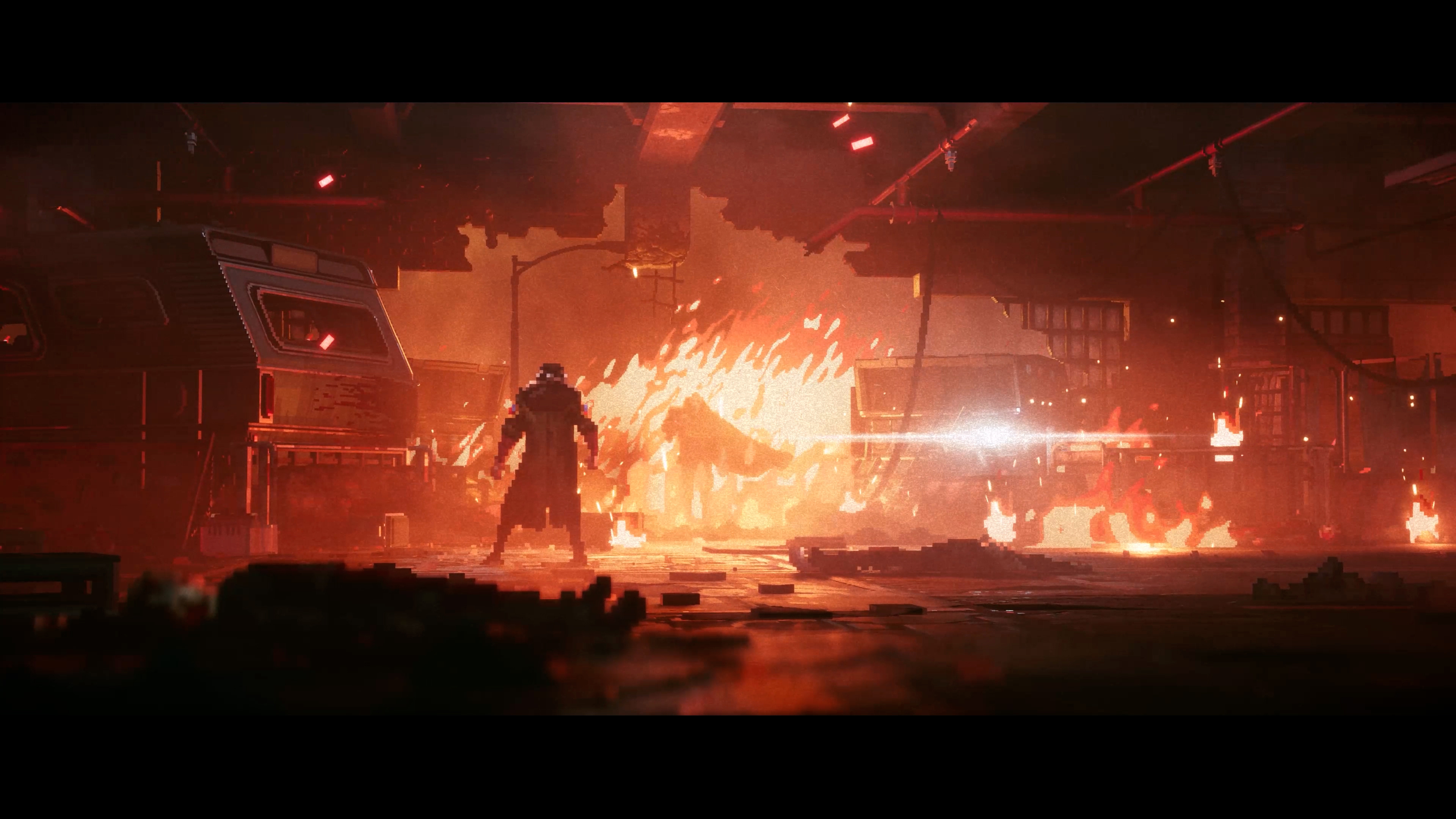
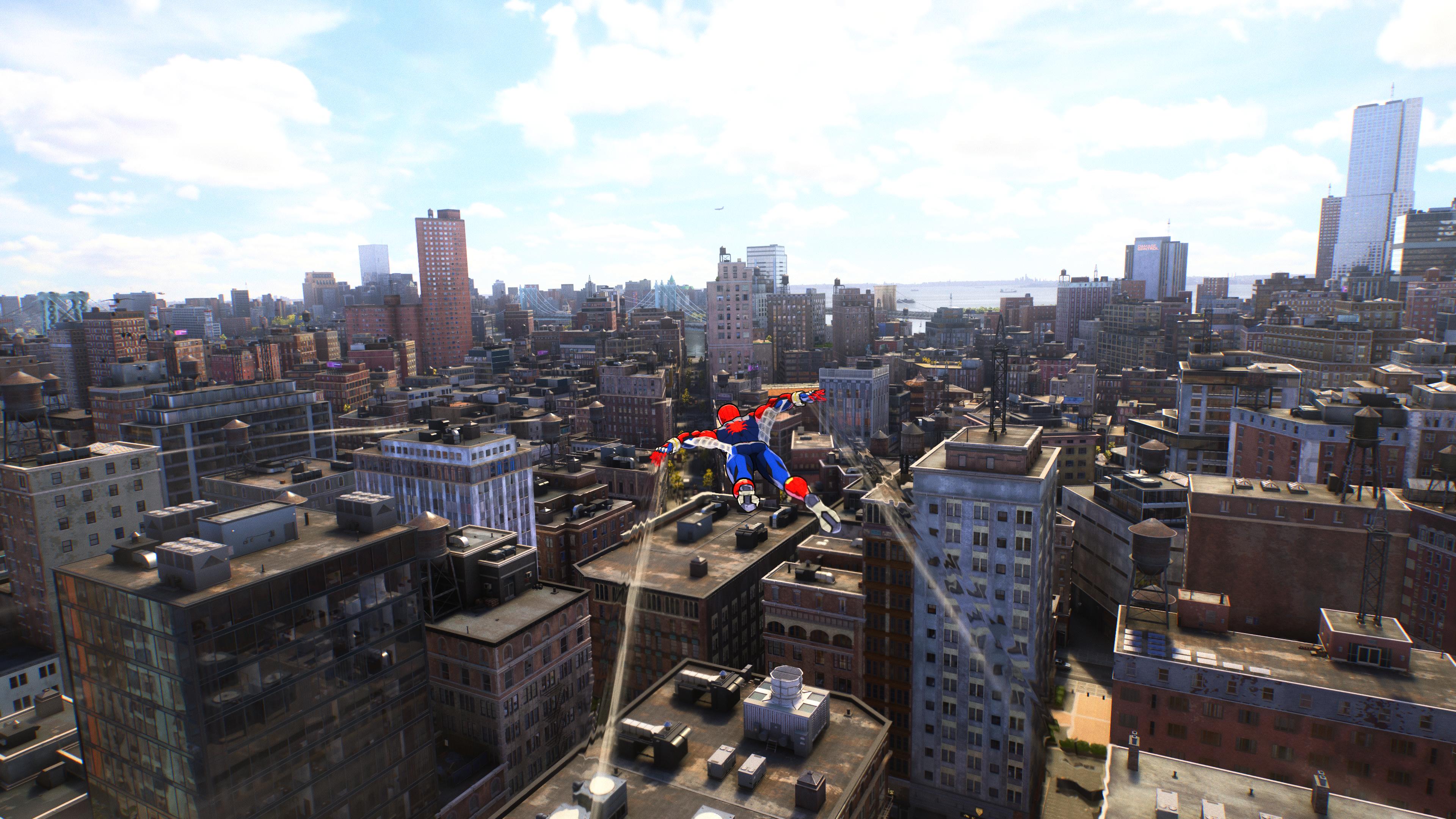
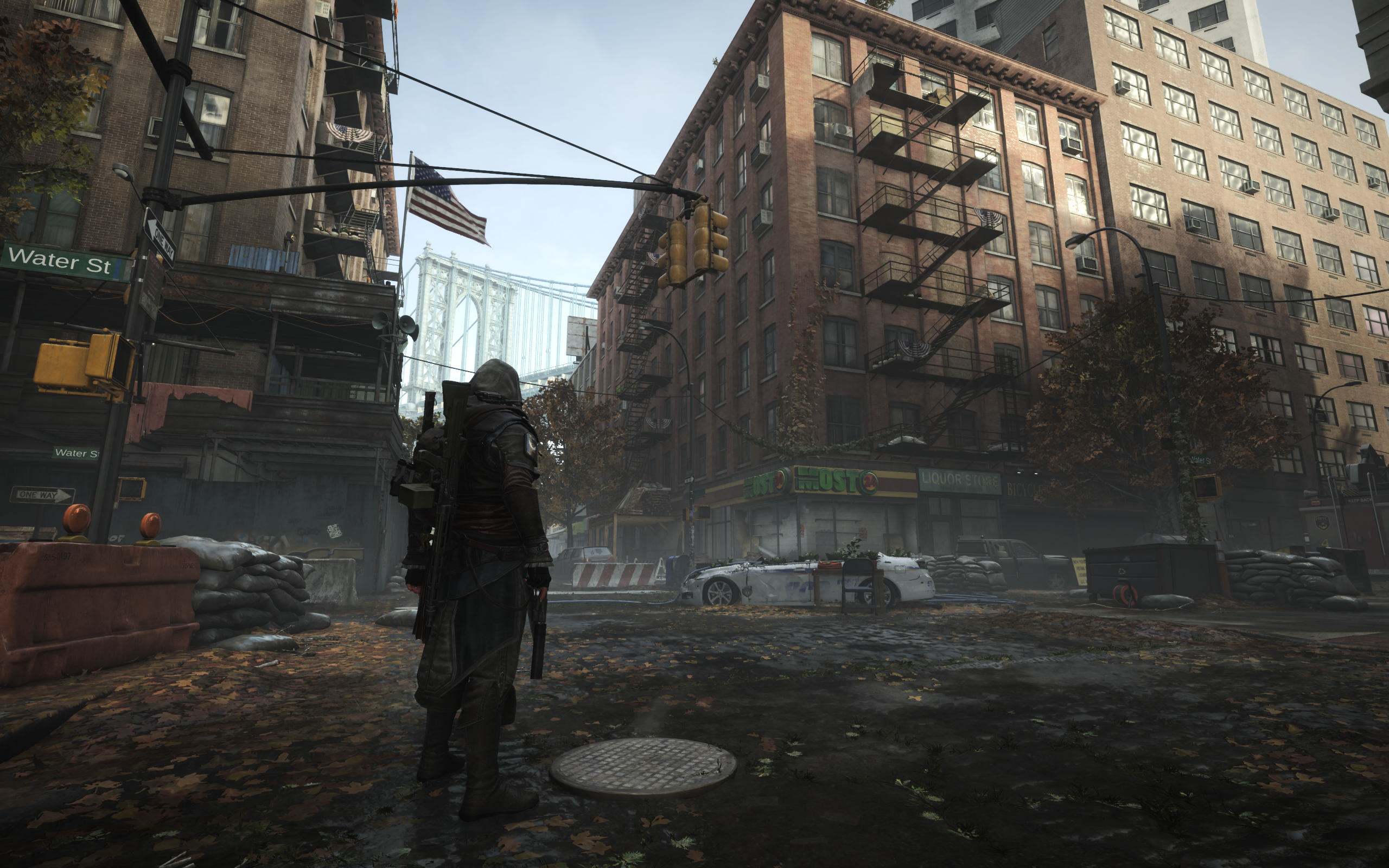
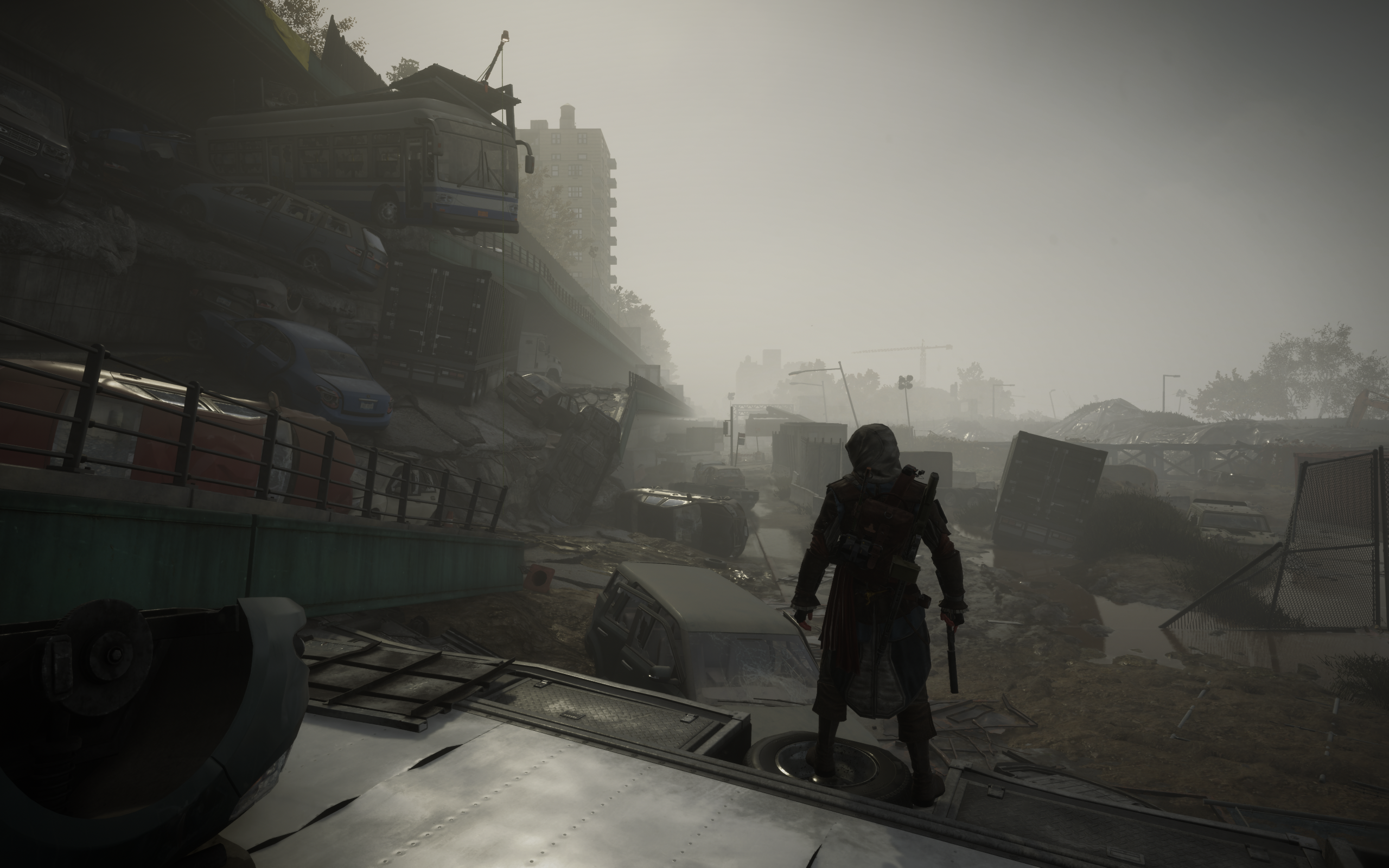
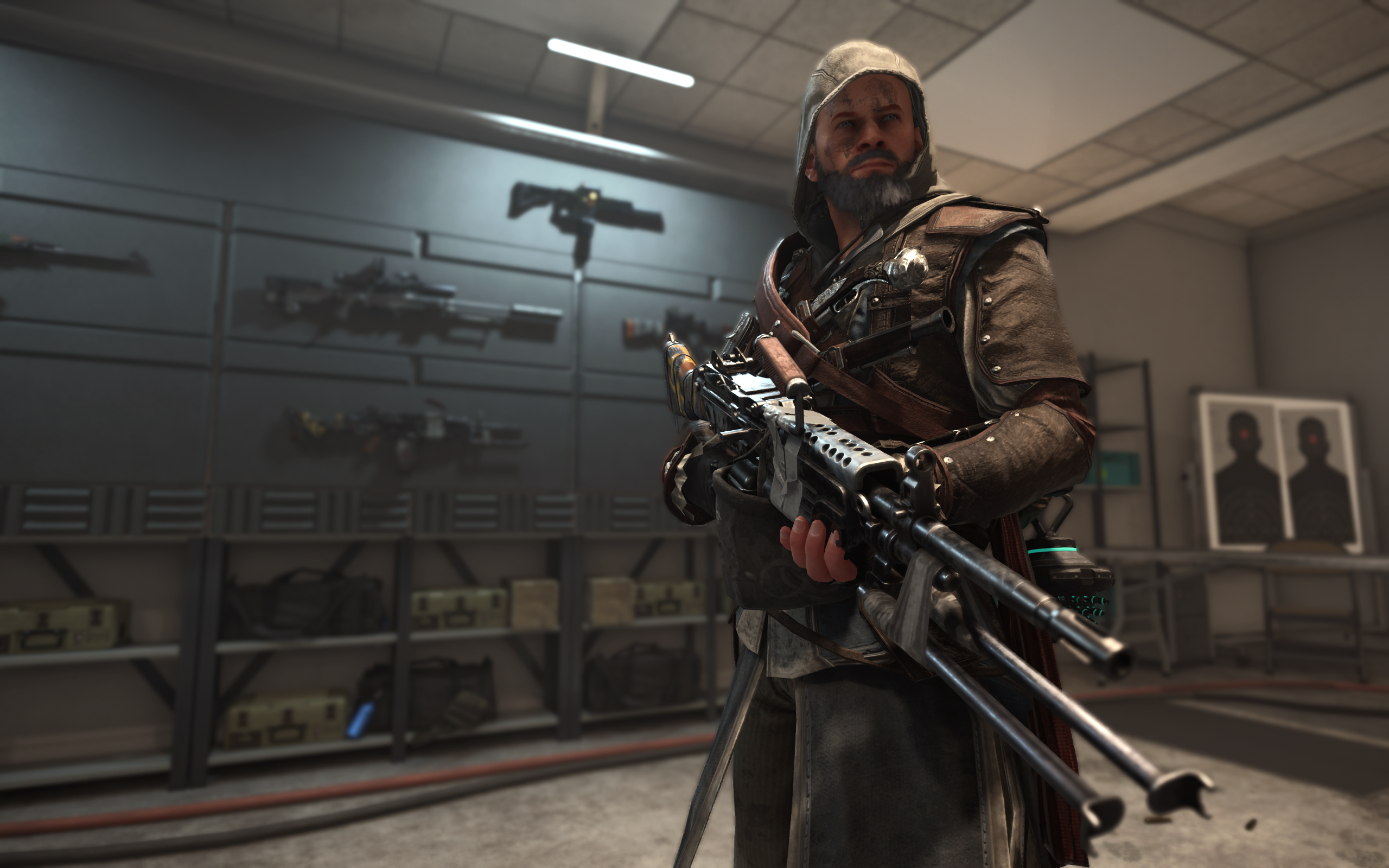
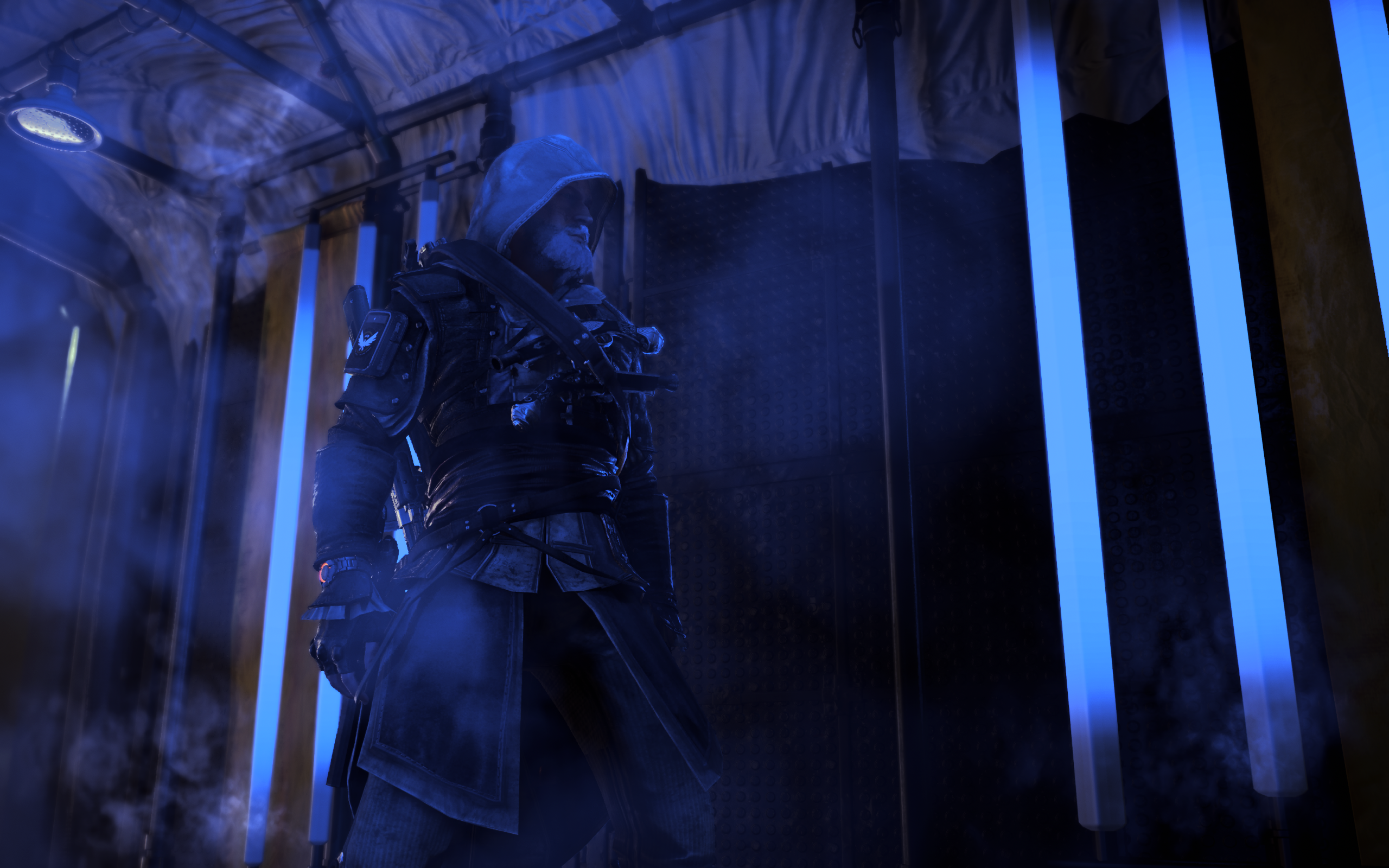
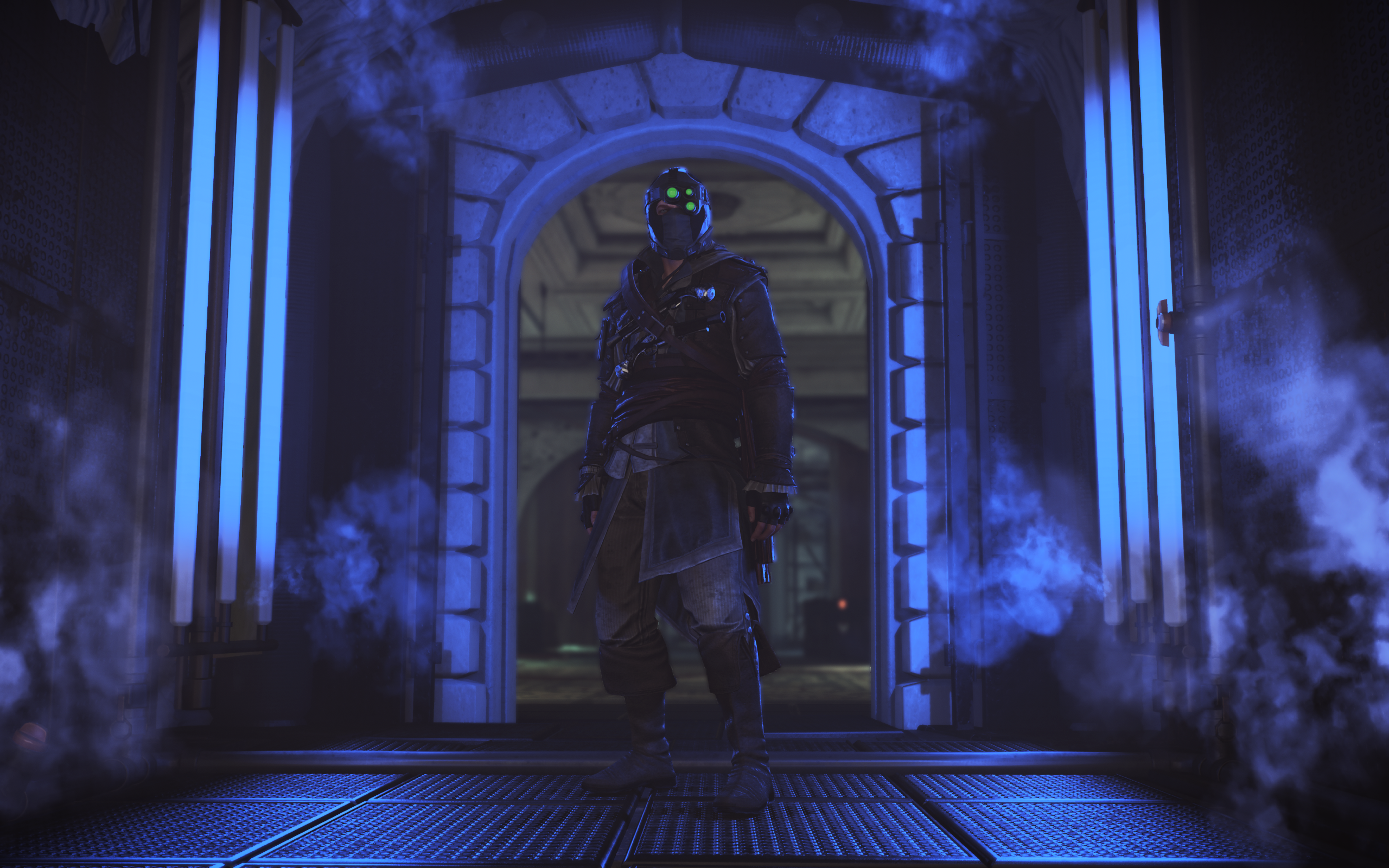
Games are not being shot - or viewed - through lens though.
That's the biggest issue with all lens based effects in games - CA, vignette, distortions, flares, etc.
Same goes for film based defects like film grain, scratches, motion blur, etc. - games are not being shot on film, there's no digital noise even.
This is not how devs view games.
Everything is make-believe in games by its very nature of being software simulations. The characters and the world are made of triangles. Textures are mapped onto them. The Sun isn't actually the Sun. The water isn't water. Literally nothing is stopping devs from imagining the game being viewed through a lens and/or recorded on film. It's already being viewed through a "camera", which also isn't real. Such terms in game graphics are directly inherited from moviemaking across live action and CGI. Lens simulation already exists in game engines and are only bound to get more complex. The Witcher 4, for example, had a very specific requirements for anamorphic lens simulation in their reveal trailer and required custom R&D in UE. There was a whole Unreal Fest talk on it. Like it or not, this is the the direction of travel for game graphics development. Accurate lens simulation will eventually become a thing. May be limited to cutscenes, but it's only a matter of time before devs start experimenting with it in gameplay as well.
Thus they could be appropriate if what you want to show is essentially a game which looks like it's been shot through lens on a film - but considering the obvious fact that it wasn't providing an option of disabling all that is essential for those who would like to see the game as a game and not as a movie - which, again, a game obviously isn't.
In other words, a stylization which makes sense in a movie rarely makes sense in a game because games are not movies.
It's the same old argument as what we've had back in the days of FXAA vs MSAA vs TXAA. There was this TXAA blur option which was added as a means to make MSAA'ed games look "realistic", and by "realistic" the original author of the technique meant "like a movie". It was generally panned and disliked because gamers generally do not see games as movies, on quite the contrary they see them as games, which aren't being shot on film through some lens, and the end game in gaming graphics is not to "emulate" how a movie looks, it's to emulate how real world around us looks.
Hence why such effects are disliked by the majority of gamers.
Well, I haven't been addressing gamer psychology all this while. Just trying to explore what a
dev must be thinking while adding these effects. And I think we both agree that the dev is often thinking they need to emulate films, hence throwing in these effects that gamers don't necessarily like. I'm not passing judgment one way or the other. I personally hate most implementations of CA and excessive film grain or vignetting, but don't mind the rest.
When it comes to hypothesizing what a gamer is thinking, I see it quite differently. I don't think the average gamer cares about the nuanced difference between live action movie and real life. For them, they are quite synonymous and used interchangeably. It's only nerds like us trying to make a distinction. What a game
should look like, unlike movies, is still a constantly moving goal post. I used to think Max Payne 1 and Half Life 1 looked like real life and that we have hit diminishing returns decades ago. Now what I saw last year looks less impressive if I see it again after a year, because all our expectations are constantly evolving with every advancement in rendering. And what happens when we actually hit photorealism? Would we be satisfied if every realistic game looks the same? Or would we be drawn towards games with a unique visual identity? Who even knows? The answers to these are not as cut and dry. Mainstream film has had access to photo realistic capture for more than 70 years and counting (more than a 100, if we look past mainstream) and they are still experimenting. That's a massive head start on games as a visual medium. Should games be treated differently? Absolutely. But it's only natural that a baby tries to copy grown ups. And it's natural to stumble and learn along the way.
The reason majority gamers don't like lens/film effects is not because they resemble movies, but because they are often a detriment to gameplay, fun and accuracy. Film grain, CA, DoF mean that you can see less of the screen. CA and DoF can actually cause physical reactions. Lens flares can distract gameplay. All of these effects actively get in the way of the player. Most aren't thinking "ewww, this looks like a movie. I don't want games to be viewed through a lens". That may be a rationalization after the experience, but not what they are thinking
during the experience. But a majority would think "I can't see shit, captain. Turn it off". And to make things worse, devs have been going wayyy overboard with these effects to the extent that gamers are now averse to it. Many would turn them off even before starting the game to see what it actually looks like. Understandably, there is a massive negative bias.
There is also the complication of cutscene versus gameplay. Because cutscenes do resemble movies, there is an automatic expectation that all these effects are in place then. Imagine watching cutscene closeups in 2026 without DoF. Gamers are often wowed by smooth transitions from cutscene to gameplay. So how do you prevent a disconnect if there is no DoF or other lens effects in gameplay? How do you preserve the visual presentation so it all looks cohesive? These are all gradually maturing areas where devs are learning to pare back obtrusive effects and strike the right balance, without creating a dissonance that makes the gamer feel like the game is being downgraded from cutscenes, which has been the norm so far.
Will these effects stand the test of time? I don't know. Ultimately, what gamers want should and will take precedence. But relatively speaking, these are very early days and I believe we still don't fully even know what we want. One thing that I can say for sure is I want graphics to be in service of gameplay instead of an impediment. As a gamer, whether that resembles real life, or minecraft , or anime or a movie from the 50s, I couldn't care less. We all have preferences on that. But whatever it's going for, it needs to wow me while not getting in the way. That's about it.



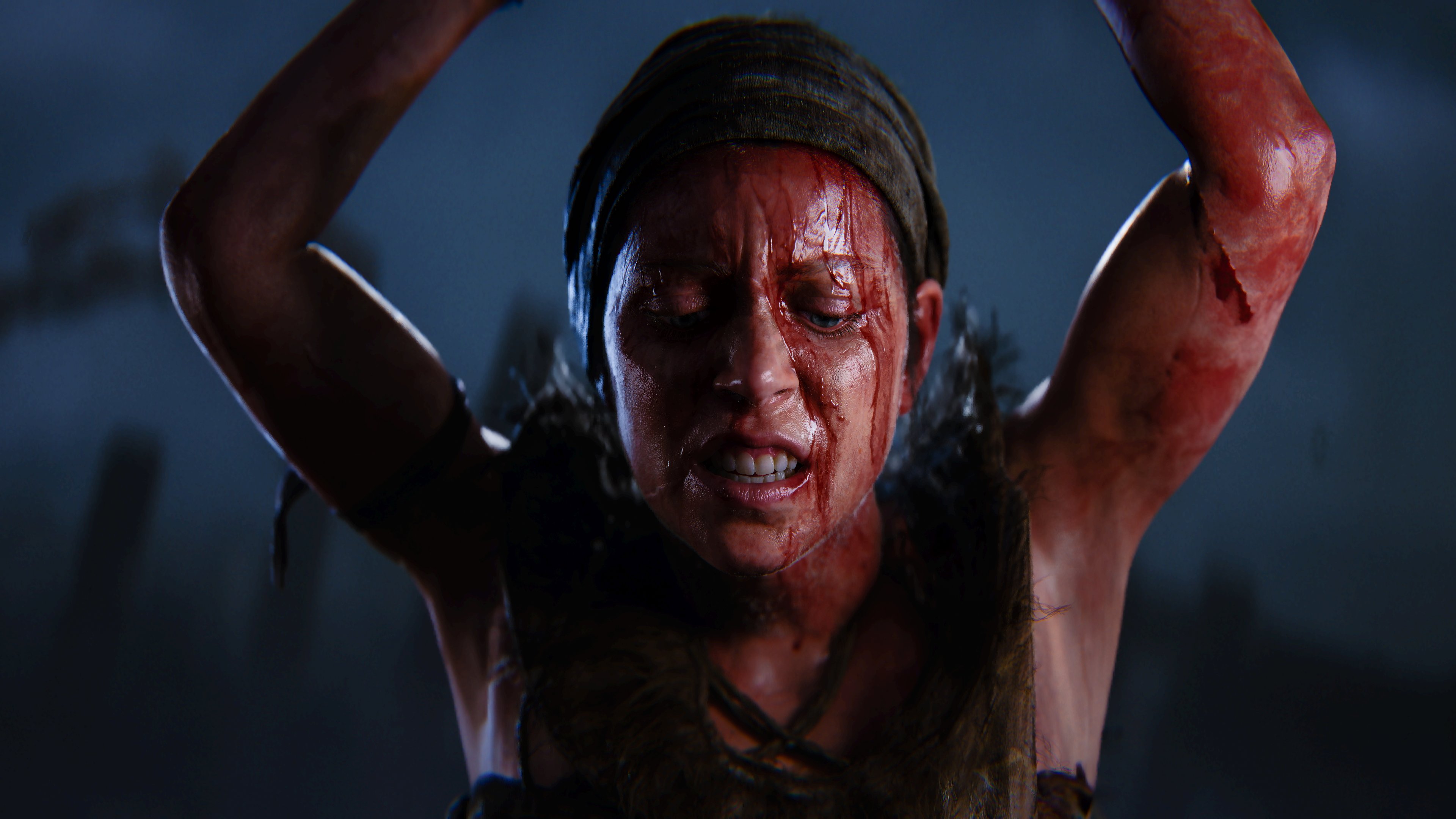


 almost as if they're supposed to be there