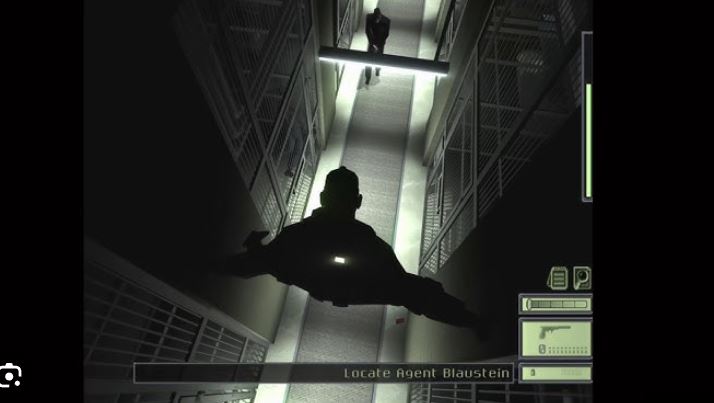
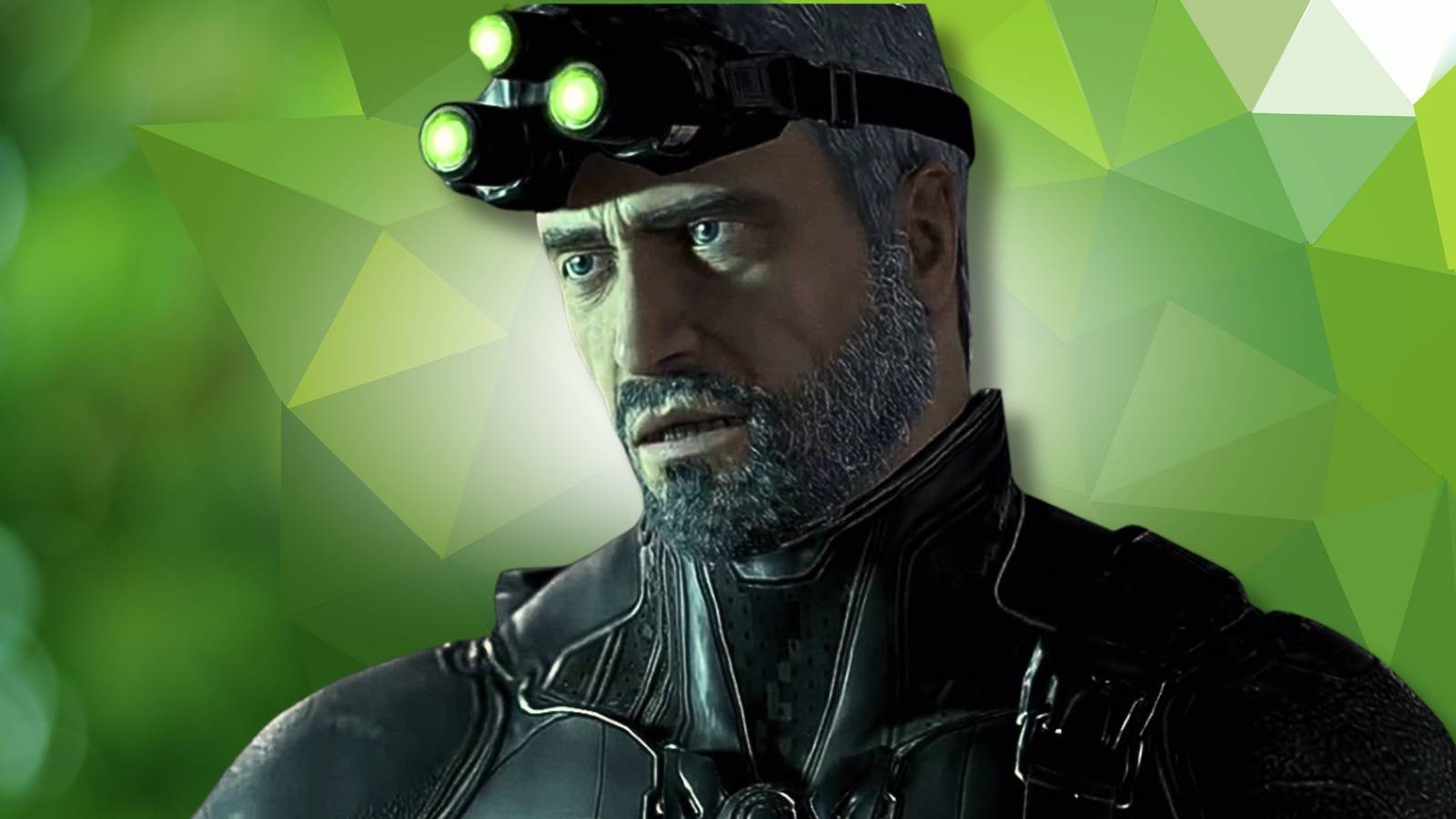
Former Splinter Cell: Chaos Theory creative director Clint Hocking believes modern graphics technology may actually be hurting stealth games instead of helping them. Speaking in an interview with FRVR, Hocking explained that older stealth games benefited from simpler "baked lighting," where shadows and safe areas were much clearer and easier for players to read.
According to Hocking, modern rendering techniques like ambient occlusion, diffuse lighting, and highly realistic illumination systems make it harder to instantly understand what is safe, what is dangerous, and where players can actually hide. He says stealth games depend heavily on readability, but modern environments are often designed to look realistic first instead of being visually optimized for stealth gameplay.
Hocking compared it to stage plays, where lighting is intentionally exaggerated to guide the audience, while modern games are trying so hard to look natural that they lose some of that clarity. He called it a "tough bridge to cross," especially after the industry spent decades chasing realism above everything else.
The timing is especially interesting with Ubisoft still quietly working on the Splinter Cell remake, a project that remains mostly hidden despite layoffs at Ubisoft Toronto earlier this year. Hocking himself also recently left Ubisoft after working on Assassin's Creed Hexe. Do you think modern stealth games lost something once graphics became hyper realistic?